Gas Line Safety: What Homeowners Must Know
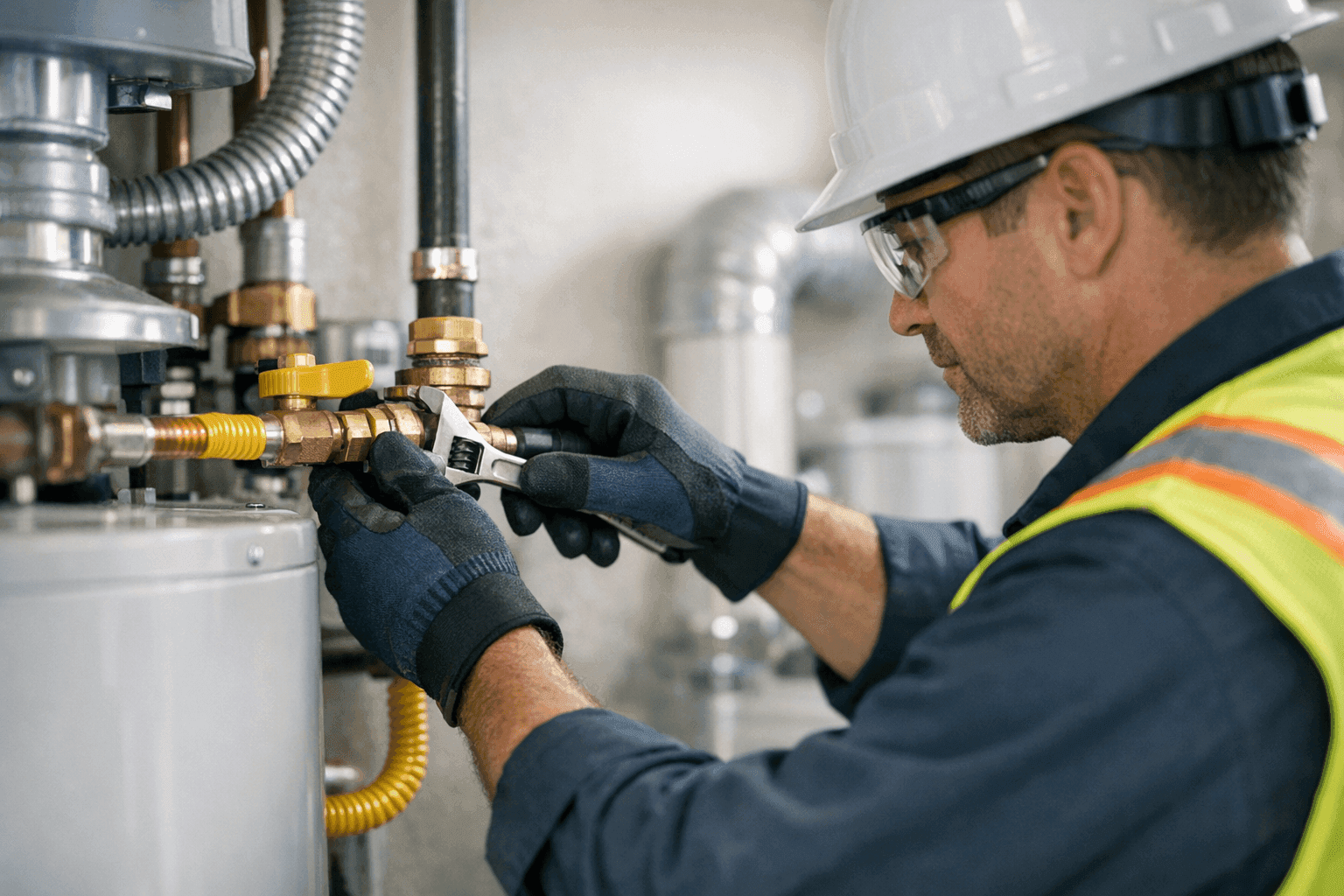
Gas line safety isn’t just another item on your to-do list. It’s the backbone of a safe, comfortable home. A hidden leak or overlooked warning sign can turn a normal day upside down in an instant. At Peters Flo Plumbing, we know that when it comes to your family’s safety, there’s no room for guesswork.
Whether you’re a first-time homeowner or have years of experience, gas line issues demand attention and respect. This guide will walk you through the must-knows of gas line safety, so you can rest easier each night.
Why Gas Safety is Critical 🛑
Imagine a silent intruder slipping into your home—undetectable, but dangerous. That’s a gas leak. Natural gas is invisible, often odorless until a scent is added, and it can cause real harm if ignored. From headaches to major emergencies, the risks are real.
Proper plumbing and Backflow Prevention protect your home’s air and water. But gas line safety is just as important. According to the National Fire Protection Association (NFPA), thousands of residential fires each year start with gas leaks. The stakes are high, but the solutions are within reach.
Common Scenarios: When Gas Leaks Happen
Gas leaks don’t announce themselves with fanfare. Most start small. Maybe a loose connection on a stove. Or a rusty pipe underground. Sometimes, leaks happen after renovations, weather changes, or even minor bumps to appliances.
Think of gas lines like veins in your home’s walls—they need care and attention. A single crack or loose fitting can have ripple effects, so vigilance matters.
Warning Signs: What to Watch (and Smell) For 👃
Your nose is your first line of defense. Utility providers add a rotten egg smell (mercaptan) to natural gas for this reason. But odor isn’t the only clue. Be on the lookout for:
- Hissing or whistling sounds near pipes or appliances
- Dead or dying plants above buried lines
- Unexplained dizziness, headaches, or nausea in your household
- Sudden spikes in your gas bill
- Visible dust or a white cloud near a gas line
If you notice any of these, don’t brush them off. Act quickly.
Quick Safety Checklist
Before you panic, take a breath. Here’s a simple checklist to follow if you suspect a problem:
- Don’t use electrical switches, phones, or open flames near the suspected leak
- Evacuate everyone, including pets, from the home
- Leave doors open as you exit to allow gas to escape
- From a safe location, call your gas provider and emergency services
Never try to find the leak yourself with matches or lighters. It’s not worth the risk.
Emergency Steps: What To Do Right Now 🚨
If you ever think “Is that gas I smell?”—treat it seriously. Here’s what you must do, step by step:
- Get everyone out, fast. No hesitation.
- Leave doors open to let gas out.
- Don’t touch any light switches, outlets, or phones inside.
- Once outside and at a safe distance, call 911 and your gas utility.
- Only professionals should re-enter and inspect the property.
Remember, seconds matter when gas is involved.
What the Pros Do On Arrival
When a professional plumber or gas technician arrives, they’ll run through a proven process. First, they’ll check the main shutoff valve. Then, using sensitive equipment (like electronic sniffers and bubble solution), they’ll trace lines for leaks.
At Peters Flo Plumbing, our team assesses all connections, joints, and appliances. We also check for needed upgrades, corrosion, or anything that could turn into a problem later. The process is safe, systematic, and thorough—never guesswork.
DIY vs. Call a Pro: Drawing the Line
Tightening a loose faucet is one thing. But gas lines? That’s another ballgame. Even a minor misstep can mean the difference between safety and serious danger.
Here’s when to call a pro:
- Any time you suspect a leak
- Installing or moving gas appliances (stoves, water heaters, dryers)
- After natural disasters or foundation shifts
- If you notice corrosion or rust on pipes
DIY is for leaky faucets, not gas lines. Leave the tough stuff to trained, licensed plumbers.
Prevention & Maintenance: Staying Ahead of Trouble 🚧
Preventative care is like brushing your teeth—it keeps the big problems at bay. Schedule regular inspections for your gas lines and appliances. The U.S. Consumer Product Safety Commission recommends annual checks.
Prevention tips:
- Install carbon monoxide detectors on every floor
- Schedule plumbing and Backflow Prevention annually
- Keep an eye out for rust or corrosion on visible pipes
- Never store flammable materials near gas appliances
Catch problems early, and you’ll avoid emergencies later.
Seasonal Considerations: Weather and Gas Safety
Seasons change, and so do your gas line risks. Freezing temperatures can cause pipes to contract and crack. Heavy rains or shifting soil can stress underground lines.
Before winter, have a pro inspect outdoor gas meters and lines. After storms or earthquakes, check for new cracks or plant damage above buried pipes.
Timeline & Disruption: What to Expect
Worried about how long repairs will take? Most leak inspections take just a few hours—sometimes less. Repairs can range from a quick fitting replacement to a full pipe replacement. If digging is required, allow a day or two, especially if permits are needed.
At Peters Flo Plumbing, we work efficiently to minimize disruption and keep your home running smoothly.
Materials & Equipment: What Keeps You Safe
Modern gas lines use materials like flexible corrugated stainless steel tubing (CSST) or black iron pipe. Older homes may have outdated or even unsafe materials. During repairs, pros will use leak detectors, pressure gauges, and sometimes tracer gas to pinpoint issues.
Upgrades may be recommended if your lines are outdated or corroded. Safety isn’t about cutting corners; it’s about using the right tools and materials for the job.
Common Mistakes Homeowners Make ❌
We’ve seen it all—here are a few common pitfalls to avoid:
- Ignoring minor “gas smells” or writing them off as normal
- Attempting repairs without proper training
- Blocking access to gas shutoff valves
- Forgetting annual maintenance and inspections
If in doubt, call a professional. Your home’s safety is worth it.
Costs & Time Factors
Gas line repairs can vary widely in cost. Small fixes (like tightening a connection) are usually quick and affordable. Larger jobs—like full pipe replacements or rerouting—will take more time and resources.
Remember, delaying a repair can make things worse and costlier in the long run.
When It’s an Emergency
If you ever notice a strong gas smell, hissing sounds, or feel dizzy or nauseous inside, don’t wait. Treat it as an emergency and act fast. Emergency plumbing isn’t just about flooded basements or burst pipes—gas leaks are just as urgent.
FAQ: Your Gas Line Questions, Answered
Q: How often should I have my gas lines checked?
A: Once a year is a good rule of thumb, or anytime you notice something unusual.
Q: What if my appliances seem to work fine?
A: Appliances can still leak gas even if they’re working. Inspections are about peace of mind.
Q: Can I use soapy water to check for leaks?
A: In a pinch, yes—but even small leaks can be missed. Always call a professional for a thorough check.
Q: Where can I find more information about gas safety?
A: The National Fire Protection Association (NFPA) and U.S. Consumer Product Safety Commission have excellent resources.
Proactive Care: The Best Defense
A safe home starts with attention to the basics—air, water, and gas. Taking simple steps today protects your family tomorrow. At Peters Flo Plumbing, we’re here to help you stay ahead of the curve.
Looking for reliable plumbing and gas line help? If you’re searching for a plumber for leak detection in Noblesville, check out our local team for prompt, professional service.
Keep Your Home Safe—Call Us Today
Don’t leave gas line safety to chance. Your home, your family, and your peace of mind all depend on it.
Call Peters Flo Plumbing now — or reach us anytime at 877-331-9687 .