Garbage Disposal Repair: Quick Fixes for Common Problems
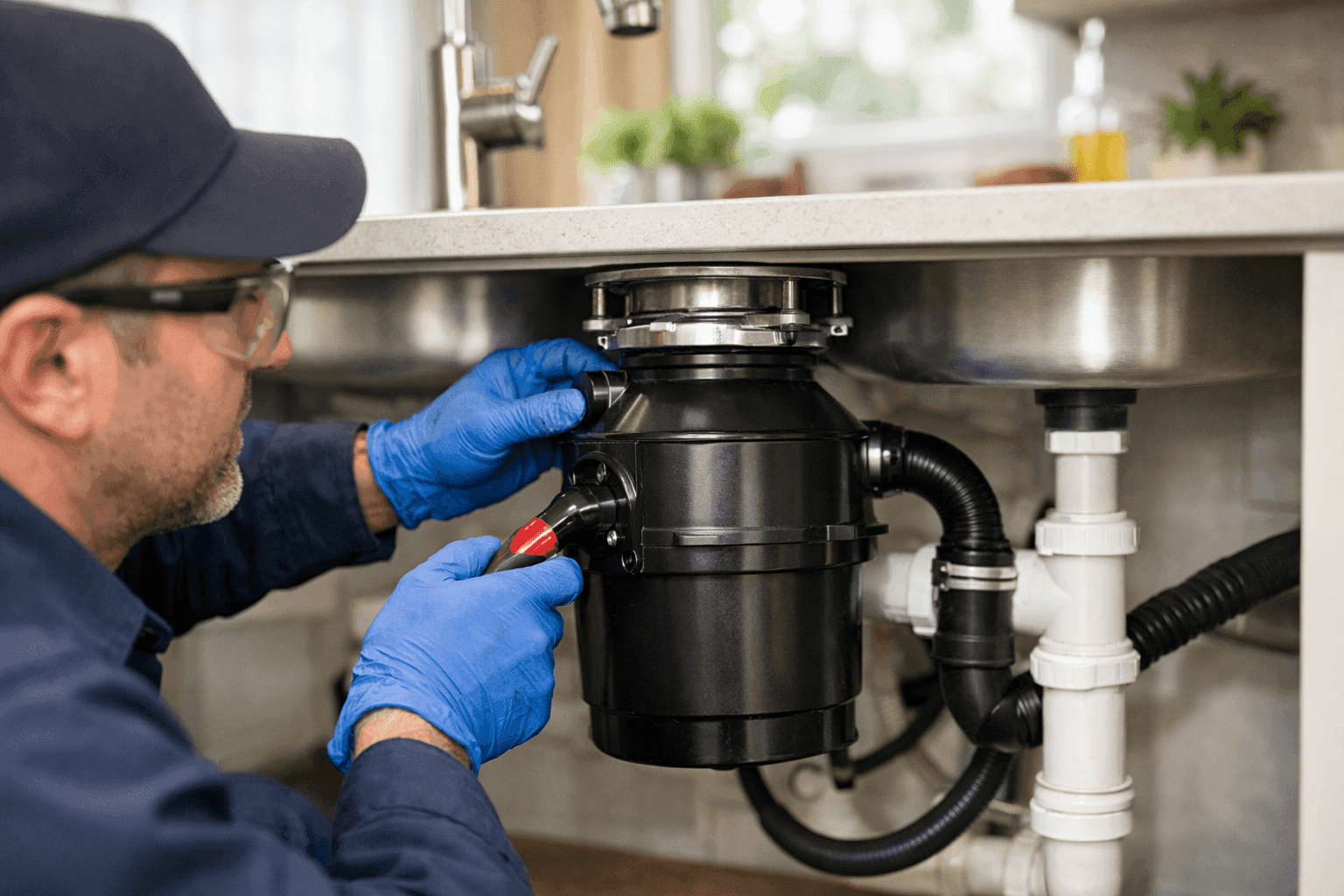
Are you greeted by a loud humming, stubborn jam, or that signature “won’t turn on” silence from your garbage disposal? Most homeowners have been there. It’s frustrating—and it can bring your kitchen routine to a screeching halt.
At Peters Flo Plumbing, we know kitchen plumbing snafus never happen at a good time. That’s why we’re sharing practical tips for safe, quick fixes and clear signs it’s time to call the pros. Your safety—and your peace of mind—comes first.
How Garbage Disposals Work ⚙️
Think of your garbage disposal as a hidden helper beneath your sink. Its job? To grind up food scraps so they flow easily down the drain. Inside, a spinning plate (not sharp blades) throws scraps against a grind ring. Water from your faucet helps flush it all away.
Here’s the basic flow:
- Flip the wall switch.
- The motor turns a flywheel and impellers.
- Food gets ground up.
- Water rushes it down the drain.
When everything works right, it’s seamless. But a single piece of silverware, too much fibrous food, or just plain wear and tear can throw off the whole rhythm.
Common Issues and Causes
Garbage disposals may seem tough, but they have their limits. These are the top problems we see in homes:
- Jams: Something hard (like a bone or fruit pit) gets stuck, stopping the flywheel.
- Clogs: Grease, coffee grounds, or starchy foods build up in the pipes.
- Leaks: Worn seals or loose connections under the sink.
- No power: A tripped breaker, unplugged unit, or worn-out motor.
- Unusual noises: Metal objects or broken parts rattling inside.
Most of these issues give off plenty of warning—strange noises, water pooling under the sink, or a disposal that hums but won’t spin.
Quick Safety Checklist Before You Begin 🛑
Before you reach under the sink, remember: disposals are powerful machines. Mistakes can be dangerous. Follow these steps every single time:
- Power OFF: Unplug the unit or turn off the breaker. Never trust the wall switch alone.
- No hands inside: Use tongs or pliers if you must remove an object.
- Water OFF: Don’t run water while your hands are near the drain.
- Read the manual: Every model is a little different. Look for specific warnings.
- Wear gloves: Protect yourself from sharp edges and debris.
If you feel unsure at any point, stop. It’s not worth risking an injury.
Safe DIY Fixes for a Jammed or Stuck Disposal
Sometimes, a jammed disposal just needs a gentle nudge. Here’s how to try a fix safely:
1. Reset the Disposal
- Look for a small red or black “reset” button on the bottom of the unit.
- Press it firmly. If it pops back out, your disposal was likely overloaded.
- Plug it in and try running it with cold water.
2. Manually Free the Flywheel
- Insert a 1/4-inch Allen wrench into the slot at the bottom center of the unit.
- Gently turn the wrench back and forth. This can release the jam.
- Remove any visible debris from the drain with pliers (never your fingers).
3. Remove Obstructions
- Shine a flashlight down the drain.
- Use tongs to remove bones, utensils, or other objects.
- Double-check that the power is off before reaching in.
4. Check for Clogs Down the Line
- If water won’t drain, the clog might be further down.
- Avoid using harsh chemical cleaners—they can damage your pipes.
- Try a plunger or call for drain cleaning help.
If these fixes don’t work, don’t force it. Over-tightening or prying can break seals or even crack the unit.
When to Call for Professional Repair
Some problems need more than a quick fix. Call Peters Flo Plumbing if you notice:
- Persistent leaks from the bottom or sides
- A disposal that hums but won’t spin, even after resetting
- Electrical smells or visible sparks
- Water backing up in other sinks
- Repeated tripping of the reset button
These are signs of deeper trouble—like a failing motor, faulty wiring, or a clog deep in your pipes. In these cases, a licensed plumber can diagnose and fix the issue safely and efficiently.
If you’re searching for reliable garbage disposal repair, don’t hesitate to reach out.
Preventing Future Jams and Breakdowns 🧼
A little care goes a long way. Keep your disposal running smoothly by following these tips:
- Run cold water: Before, during, and after use.
- Feed food slowly: Don’t overload the disposal.
- Avoid problem foods: No grease, eggshells, coffee grounds, pasta, rice, or fibrous veggies (like celery).
- Cut up larger scraps: Smaller pieces grind more easily.
- Freshen with ice and citrus: Run ice cubes and a lemon wedge once a month to clear debris and odors.
The U.S. Consumer Product Safety Commission recommends regular maintenance and prompt repairs to prevent injury and property damage.
Signs Your Disposal Needs Replacement
Even the best units wear out after years of loyal service. Watch for these red flags:
- Frequent resets needed
- Strange grinding or metal-on-metal sounds
- Cracks, rust, or leaks from the housing
- Poor grinding power even after jams are cleared
If your disposal is over 10 years old, replacing it may be safer and more cost-effective than repeated repairs.
What Plumbers Check When They Arrive
When you call Peters Flo Plumbing, here’s what to expect:
- Careful inspection of the unit, power source, and under-sink plumbing
- Testing for leaks, electrical issues, and mechanical failure
- Safe removal of blockages without damaging pipes
- Honest advice about repair vs. replacement
We come prepared with quality parts and tools to get your kitchen back in shape—fast.
Costs, Time, and Disruption
Most garbage disposal repairs can be done in under an hour. Simple jams or resets may take just minutes. Larger issues, like replacing a leaking unit or clearing major blockages, take longer and may require turning off water to the kitchen.
We always aim to minimize disruption so you can get back to your routine.
Common Mistakes to Avoid
- Using your disposal as a trash can (it’s not!)
- Pouring grease or oil down the drain
- Ignoring small leaks—water damage adds up fast
- Trying to fix electrical issues yourself
- Forgetting to turn off power before repairs
Play it safe. When in doubt, ask for help.
Emergency Situations: When It Can’t Wait
Certain problems need immediate attention:
- Water flooding under the sink
- Electric shocks or sparks
- Raw sewage backup
If you’re dealing with an urgent plumbing crisis, contact Peters Flo Plumbing right away. For homeowners in the Concord area, check our Concord plumbing services for fast, reliable emergency help.
Seasonal Tips for Disposal Care
- Holiday meals: More guests, more scraps—run the disposal in batches.
- Cold weather: Frozen pipes can affect drainage—run your faucet regularly.
- Spring cleaning: Clean and inspect your disposal with ice and baking soda.
Frequently Asked Questions About Garbage Disposals
Q: Is it safe to use chemical drain cleaners?
A: No. They can corrode pipes and damage your disposal. Stick to mechanical cleaning.
Q: What if my disposal smells bad?
A: Try running ice cubes and a lemon wedge through the unit, then flush with cold water.
Q: Can I install a new disposal myself?
A: It’s possible, but plumbing codes and wiring safety matter. When in doubt, call a licensed plumber.
Final Thoughts: Your Kitchen, Working Smoothly
A working garbage disposal keeps your kitchen clean and stress-free. With smart habits, safe troubleshooting, and a little help from Peters Flo Plumbing, you can avoid most headaches—and know when to call in the pros.
Call Peters Flo Plumbing now — or reach us anytime at 877-331-9687 .