How to Find and Use Your Home’s Cleanouts
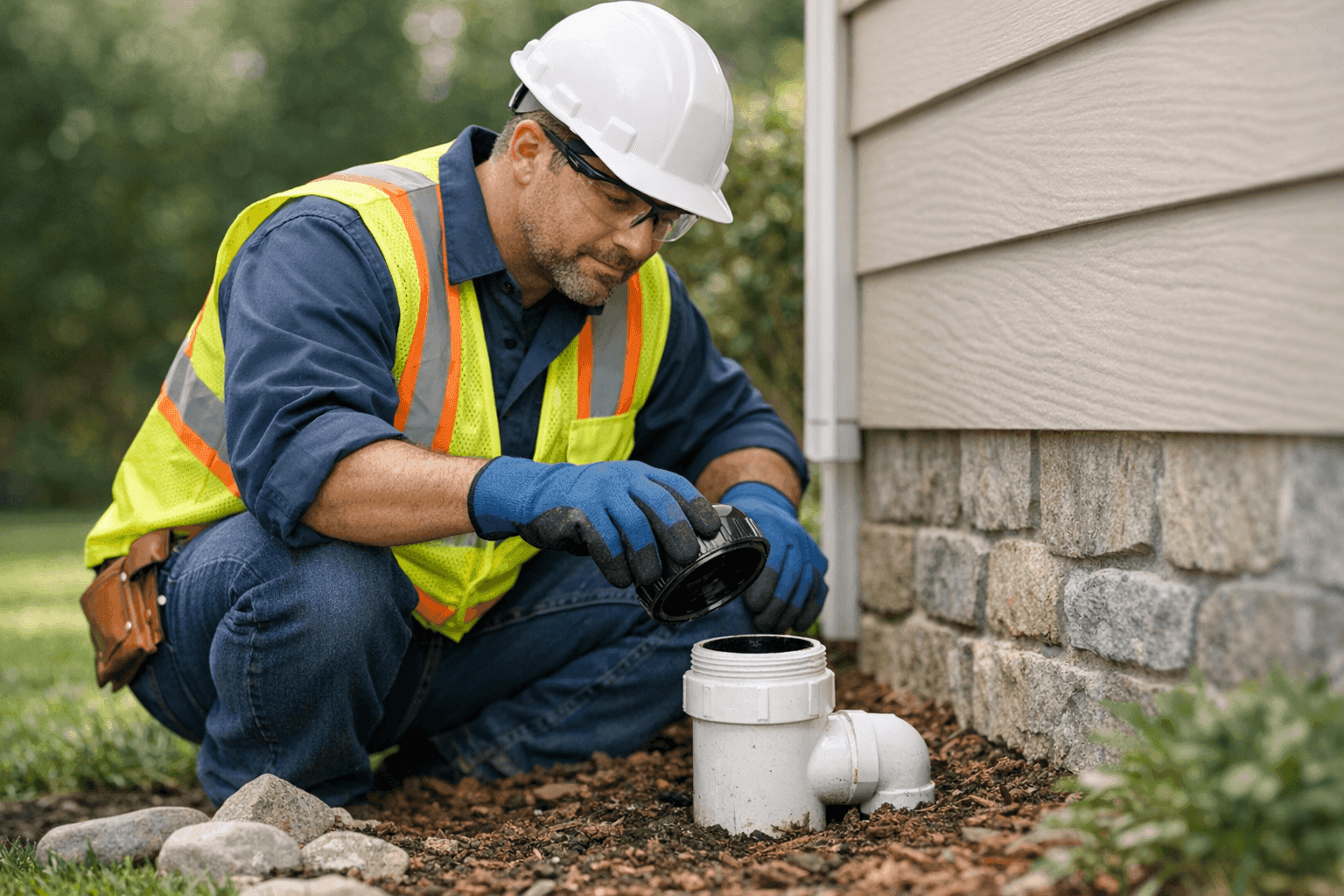
Does your sink gurgle when it drains? Ever had water back up in your tub, seemingly out of nowhere? You’re not alone. Clogs and slow drains are part of homeownership. But before panic sets in, there’s a hidden hero right on your property: the plumbing cleanout.
At Peters Flo Plumbing, we help homeowners get ahead of plumbing issues. Knowing where your cleanouts are—and how to use them—can save headaches, money, and messy surprises.
What is a Cleanout? 🚪
Think of a cleanout as your plumbing's emergency hatch. It’s a capped pipe fitting that gives direct access to your home’s drain and sewer lines. When a blockage acts like a traffic jam deep in your pipes, the cleanout lets you reach in and start clearing the way.
Cleanouts aren’t just for plumbers. Homeowners can use them for basic checks or to relieve minor blockages. But for bigger issues, they’re the front door for professional tools and expertise.
Why do homes have cleanouts?
- They help prevent messy backups.
- They provide a plumbing “shortcut” for unclogging.
- They’re required by plumbing codes (like the International Residential Code and local regulations).
Typical Locations: Where to Find Cleanouts
Cleanouts like to play hide-and-seek. Here’s where they usually turn up:
Outdoor Cleanouts
- Near foundation walls: Check the perimeter of your home, especially by bathrooms or kitchens.
- In garden beds or driveways: Sometimes covered by plastic or metal caps, often three to four inches wide.
- On lawn edges: Look for a white or black cap flush with the grass.
Indoor Cleanouts
- Basement or crawlspace: Usually along the main drain pipe, close to where it exits the house.
- Utility rooms or garages: Sometimes behind access panels.
- Under sinks or behind toilets: These are smaller branch cleanouts, mainly for localized clogs.
Tip: Not every home has visible cleanouts. Older houses sometimes lack outdoor access. If you can’t find yours, don’t worry—Peters Flo Plumbing can help with a sewer line inspection.
Cleanouts: A Safety Checklist Before You Start
Safety first. Even simple plumbing jobs can carry risks. Before touching any cleanout:
- Wear gloves and old clothes. Things can get messy—fast.
- Use a sturdy wrench if the cap is stuck. Never force it. Metal caps can snap or strip.
- Stand clear as you open. Built-up pressure (or water!) can release suddenly.
- Never use harsh chemicals. They can splash back and burn skin or eyes.
- If you smell gas or sewage, stop immediately and call a pro.
For more on safe plumbing practices, the International Association of Plumbing and Mechanical Officials (IAPMO) and local building codes offer clear guidelines.
Using Cleanouts Safely
So, you’ve found the cleanout. Now what?
Step-by-Step
- Clear the area: Remove mulch, debris, or items blocking access.
- Carefully unscrew the cap: Always open slowly—pressure may have built up.
- Check for standing water: If the pipe is full, the blockage is downstream.
- Use a plumbing snake or hand auger: Gently feed it into the pipe to break up small clogs.
- Flush with water: After removing the blockage, rinse the line to clear residue.
- Replace the cap: Tighten securely to prevent leaks or smells.
Never stick your hand or tools too far. Pipes can twist, and you don’t want to create more damage.
What Cleanouts Can—and Can’t—Fix
Cleanouts are like a first-aid kit for your drains. They’re great for:
- Clearing minor blockages near the surface.
- Letting water out if you have a backup.
- Quick inspections for visible debris.
But they can’t:
- Fix deep or stubborn blockages.
- Repair broken or sagging pipes.
- Address root intrusions or collapsed lines.
If you’re dealing with recurring clogs, sewage smells, or water gushing out, it’s time for professional help. For serious issues, a service like backflow prevention isn’t just smart—it’s essential.
When to Call a Pro
Some situations call for more than elbow grease:
- Repeated backups: If cleaning the line doesn’t solve the problem, the clog may be deeper.
- Standing water at the cleanout: This could signal a major blockage or a broken sewer line.
- Bad odors: Persistent smells mean something’s brewing beneath the surface.
- Visible tree roots: Roots can destroy pipes and lead to major repairs.
Professional plumbers have specialized cameras, power augers, and hydro-jetting tools. We can diagnose the real problem without guesswork.
What to Expect When Pros Arrive
When a Peters Flo Plumbing technician shows up, here’s what typically happens:
- Assessment: We check your cleanouts, listen to your concerns, and ask about your plumbing’s history.
- Camera inspection: For stubborn clogs, a flexible camera pinpoints the exact trouble spot.
- Mechanical clearing: We use motorized snakes or high-pressure water jets to clear even the toughest blockages.
- Final check: Once clear, we run water through the system and ensure all caps are sealed tight.
Our approach is thorough but mindful—aiming to minimize disruption and keep your home clean.
DIY or Pro? Knowing Your Limits
It’s tempting to go full DIY, but plumbing is like chess—one wrong move can make things worse.
DIY is fine if:
- The clog is minor and close to the cleanout.
- You’re comfortable handling basic tools.
- There’s no sewage backup or foul smell.
Call Peters Flo Plumbing if:
- You’re unsure about your system’s layout.
- The cleanout is rusted or stuck.
- You see water or waste gushing out.
Preventing Future Problems
Routine care can keep your cleanouts—and your plumbing—running smooth:
- Don’t flush wipes, grease, or foreign objects. They’re clog culprits.
- Schedule annual inspections. Early detection saves money.
- Trim trees near sewer lines. Roots love to sneak into pipes.
- Use drain strainers. They catch hair and debris before they cause trouble.
Looking for more ways to protect your plumbing? See our preventative maintenance tips.
How Cleanouts Protect Against Backflow
Cleanouts play a quiet but key role in backflow prevention. When your main line clogs, sewage can reverse its path—risking contamination and costly repairs. Cleanouts allow for quick relief and inspection, helping to keep your water supply safe and clean.
For certified backflow testing or more advanced prevention, Peters Flo Plumbing offers trusted solutions for homeowners.
Signs of Trouble: When to Investigate Your Cleanout
Watch for these red flags:
- Gurgling drains: Air trapped by partial clogs.
- Slow drainage: Water taking forever to disappear.
- Wet spots outdoors: Especially around the cleanout cap.
- Unusual smells: Anything earthy, musty, or like sewage.
Addressing these early can mean the difference between a quick fix and a major repair.
Emergency? Here’s What to Do
If sewage is backing up, act fast:
- Stop using water immediately.
- Open the cleanout cap to relieve pressure if it’s safe.
- Keep kids and pets away from affected areas.
- Call Peters Flo Plumbing for emergency service.
Remember, plumbing emergencies don’t wait for business hours. We’re ready when you need us.
Seasonal Considerations: Cleanouts in Every Season
- Winter: Frozen pipes? Outdoor cleanouts can be harder to access. Keep them insulated and clear of snow.
- Spring: Tree roots grow fast—inspect for new blockages.
- Summer: Heavy rain can overwhelm sewer lines. Check cleanouts after storms.
- Autumn: Falling leaves can clog outdoor caps. Keep the area tidy.
Common Mistakes to Avoid
- Forcing a stuck cap: You risk breaking the pipe.
- Ignoring small clogs: They rarely fix themselves.
- Using drain chemicals: They can damage pipes and the environment.
- Covering cleanouts: Don’t block access with landscaping or storage.
What If Your Home Lacks Cleanouts?
Some older homes simply don’t have them, or they may be hidden behind walls or landscaping. In these cases, a plumbing professional can install new cleanouts or locate existing ones for you.
This not only makes maintenance easier—it’s often required when selling or remodeling your home.
Costs, Time, and Disruption
- DIY access: Usually free, except for tools or replacement caps.
- Professional clearing: Can range from quick (30 minutes) to more involved (a few hours) depending on the issue.
- Cleanout installation: If needed, this is a bigger job, but it adds long-term value to your plumbing.
Minor disruptions now can save you from major headaches down the road.
FAQ: Cleanouts at a Glance
Q: How often should I check my cleanouts?
A: At least once a year, or whenever you notice drainage problems.
Q: What if the cleanout is buried?
A: Carefully dig around the area, but call a pro if you’re unsure.
Q: Are cleanouts required by code?
A: Most modern codes require them for new builds; check with your local building department.
Find Plumbing Help Near You
If you’re dealing with stubborn clogs or want to keep your plumbing in top shape, Peters Flo Plumbing is just a call away. For trusted residential plumbing in Dothan, we’re your go-to team—ready to keep your drains flowing and your home protected.
Call Peters Flo Plumbing now — or reach us anytime at 877-331-9687 .