How to Extend the Life of Your Plumbing Pipes
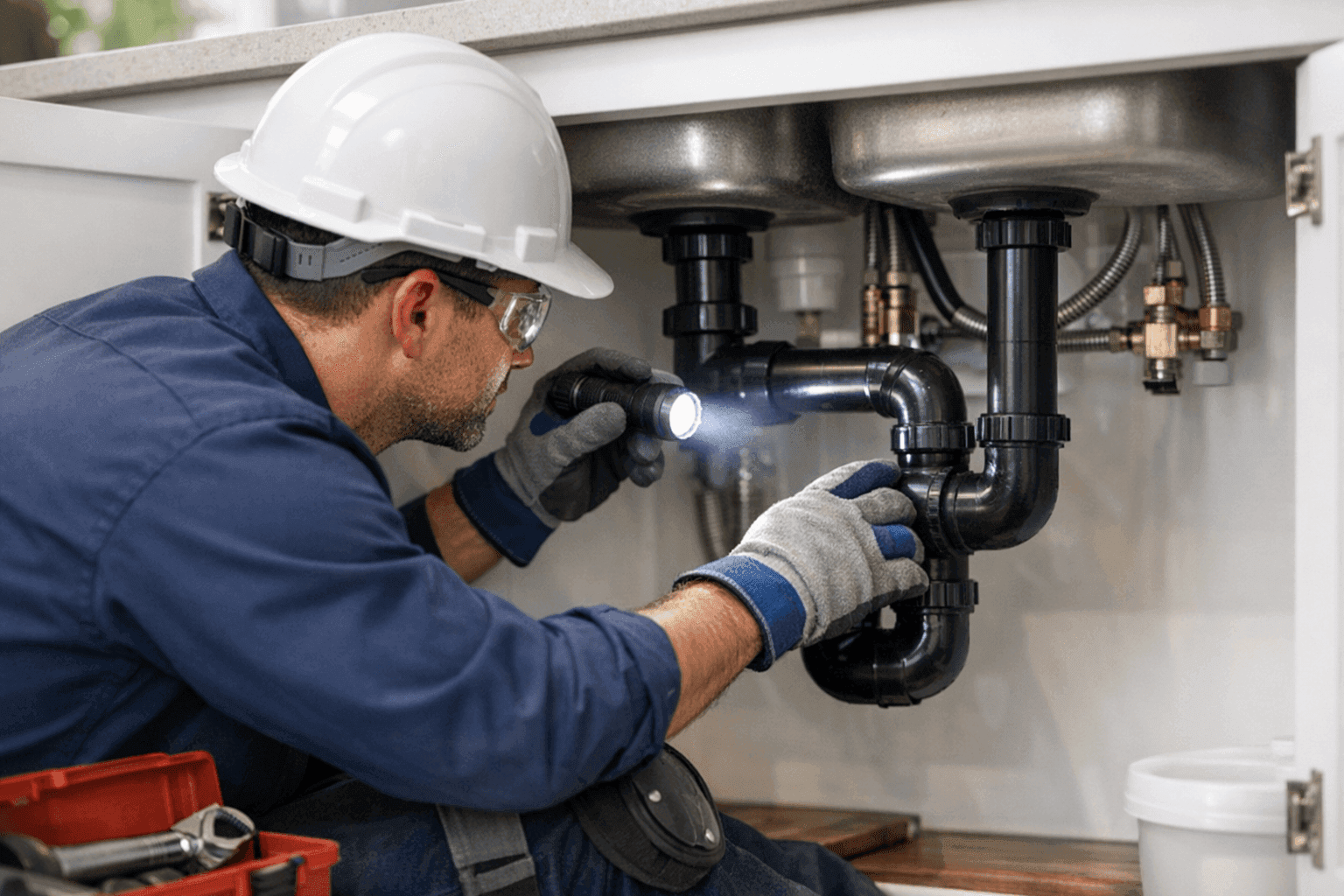
Do you ever worry about a slow leak under the sink or the dreaded burst pipe in the middle of the night? At Peters Flo Plumbing, we hear stories like this every day. Pipes are like the veins of your home—when they’re healthy, everything flows smoothly. But when they start to wear down, trouble isn’t far behind.
Homeowners often forget about their plumbing until something goes wrong. But with a few easy steps, you can keep your pipes stronger, longer, and avoid emergencies that soak more than just your day.
Why Pipes Wear Out
Ever notice how some homes seem to have constant plumbing problems, while others go years without a drip? The answer often lies in how pipes wear out over time.
Corrosion is the silent enemy. Picture an old iron gate left out in the rain. Over the years, rust eats away at it, making it weak and brittle. Pipes—especially older metal ones—suffer the same fate. Water, oxygen, and minerals work together to slowly wear down the inside walls.
High water pressure is another culprit. It might feel great in the shower, but too much force rushing through your pipes is like a river in flood—eventually, the banks give way. Pipes can crack, joints loosen, and leaks start to form.
Add in temperature swings, ground movement, and the natural aging of materials, and it's easy to see why pipes don’t last forever.
Maintenance Strategies for Longer-Lasting Pipes 🛠️
Think of pipe maintenance like brushing your teeth for your house. A little effort now saves big headaches later.
- Regular Inspections: Have a professional check your pipes every couple of years. Look for signs of moisture, rust, or odd smells under sinks and around appliances.
- Backflow Prevention: Devices that stop dirty water from reversing into your clean water supply are critical. If your home doesn’t have one, consider a consultation about Backflow Prevention.
- Leak Detection: Even a tiny drip can signal a bigger problem. Use your water meter: turn off all water and see if the dial still moves. If it does, you may have a hidden leak.
- Flush Pipes Annually: Sediment builds up over time. Flushing your pipes (especially from the water heater) helps keep water clean and flow steady.
- Monitor Water Pressure: Install a pressure gauge. Normal home pressure is 40–60 psi. Anything above 80 psi? Time for a plumber.
- Insulate Exposed Pipes: Cold snaps can freeze pipes, causing them to burst. Foam insulation is cheap insurance.
- Avoid Harsh Chemicals: Store-bought drain cleaners can eat away at pipes. Use a mixture of baking soda and vinegar instead, or call for professional drain cleaning if clogs persist.
The Sneaky Impact of Water Quality
Not all water is created equal. Hard water—water with lots of minerals—can leave scale inside your pipes, narrowing them over time. It’s a bit like cholesterol in your arteries.
Rusty or discolored water may signal corrosion in galvanized pipes. Smelly water? Bacteria or decaying organic matter might be to blame. Municipal water reports (available from your city) can tell you what’s in your water, or you can have it tested.
If you find mineral buildup is a problem, a water softener or whole-house Water Filtration System can make a big difference.
Signs Your Pipes Need Attention
Don’t ignore the warning signs. Pipes have their own ways of crying out for help:
- Unexplained Water Bills: A sudden spike could mean a hidden leak.
- Stains or Bubbling Paint: Moisture behind walls will eventually show itself.
- Low Water Pressure: One fixture? Maybe a clog. Whole house? Could be a main line leak.
- Odd Noises: Banging, whistling, or gurgling pipes aren’t normal.
- Discoloration: Brown or yellow water from the tap could mean rust inside pipes.
If you notice any of these, it’s time to call in a pro for a closer look.
When to Replace vs. Repair
Just like an old pair of shoes, sometimes pipes simply reach the end of their run. But how do you know when a patch job won’t cut it?
- Pipe Age: Most copper pipes last 50–70 years; galvanized steel, about 40–50; PVC, even longer if undisturbed.
- Repeated Leaks: If you’re fixing leaks in the same area more than once, it’s probably time to replace that section.
- Visible Corrosion: Green stains on copper pipes or rust on steel are bad news.
- Lead or Polybutylene Pipes: These materials are outdated and should be replaced for health and safety.
A licensed plumber can evaluate your whole system and recommend whether a small repair or a full repipe makes more sense.
The Cost and Time Factor
A little maintenance goes a long way. Regular checks and small fixes are almost always more affordable than emergency repairs or water damage restoration.
Pipe repairs can usually be done in a day. Whole-house repiping? Expect a few days to a week, depending on the size and layout of your home. Planning ahead lets you minimize disruption.
DIY vs. Calling a Pro
Some tasks are fine for homeowners—tightening a loose fitting, wrapping a bit of insulation, or using a plunger. But when it comes to leaks inside walls, persistent clogs, or anything involving gas lines or backflow, it’s time for the pros.
Licensed plumbers follow plumbing codes (like Minnesota Plumbing Code and the International Plumbing Code), which are designed to keep your home safe and up to date.
What the Pros Do on Arrival
A professional plumber arrives with more than just a wrench. Here’s what to expect:
- A thorough visual inspection of all accessible pipes and fittings.
- Pressure testing to check for hidden leaks.
- Checking for proper backflow prevention devices.
- Recommendations for repairs or upgrades, explained in plain language.
Seasonal Considerations for Pipe Health ❄️
Winter is tough on pipes, especially in cold climates. Before the first freeze:
- Disconnect hoses and drain outdoor faucets.
- Insulate pipes in unheated areas like basements, garages, and crawl spaces.
- Let a trickle of water run on the coldest nights, especially from faucets on outside walls.
In summer, check for signs of sweating pipes or condensation, which can lead to mold.
Common Mistakes Homeowners Make
- Ignoring small leaks, hoping they’ll go away.
- Using caustic drain cleaners for every clog.
- Leaving hoses connected in winter.
- Hanging heavy items from exposed pipes in basements.
- Skipping regular maintenance.
A little attention now prevents a lot of regret later.
Quick Safety Checklist
- Know where your main shutoff valve is—and label it.
- Install water alarms near appliances and in basements.
- Keep emergency numbers handy.
Timeline & Disruption: What to Expect
Most pipe repairs are straightforward, but whole-home projects can mean water shutoffs and some wall repairs. Good plumbers work to keep disruption to a minimum and will communicate each step.
FAQs: Extending Pipe Life
Q: How often should I have my pipes inspected?
A: Every 2–3 years for most homes, or immediately if you suspect a problem.
Q: Can I use pipe wraps from the hardware store?
A: Yes, for minor leaks or insulation, but never as a long-term fix.
Q: Do old pipes always need replacement?
A: Not always. If they’re leak-free and pass inspection, you may have years left.
Authoritative Resources
- Minnesota Plumbing Code
- International Plumbing Code
- U.S. Environmental Protection Agency (EPA) on water quality
Don’t Wait for a Plumbing Disaster
Healthy pipes are the backbone of a safe, comfortable home. Regular checks and simple habits keep things flowing and help avoid major headaches down the road. If you’re searching for a reliable plumbing service in Blaine for your home, reach out today.
Call Peters Flo Plumbing now — or reach us anytime at 877-331-9687 .