Essential Plumbing Tools Every Homeowner Should Own
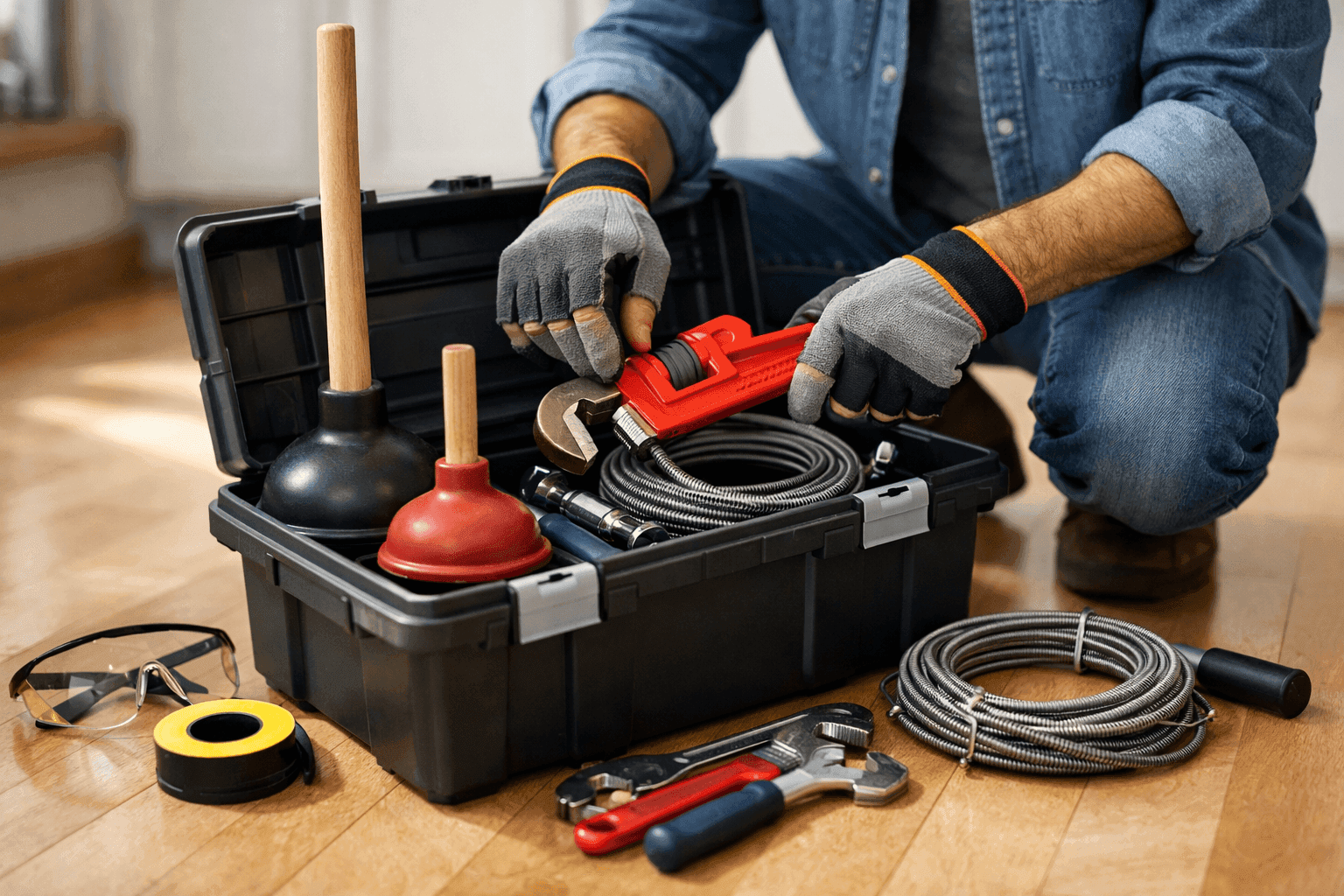
Plumbing emergencies don’t wait for a convenient time. One minute you’re enjoying a quiet night, the next you’re ankle-deep in water. That’s why every homeowner needs a few essential plumbing tools close at hand. At Peters Flo Plumbing, we see firsthand how a well-packed toolbox can help you handle small issues before they grow out of control.
Knowing what to reach for—and when to call in a professional—can save headaches, money, and your home’s peace of mind.
Why Tools Matter: Little Fixes, Big Impact 🛠️
Imagine your sink is clogged. Water is rising fast, and panic is rising even faster. Having the right tool nearby is like having a life raft when the storm hits. Small leaks, backed-up drains, and running toilets are the most common calls we get. Often, a well-prepared homeowner can tackle these themselves—if they have the right equipment and know-how.
Good tools don’t just fix problems; they help prevent them. Routine checks and small repairs using basic tools can lower the risk of expensive plumbing disasters. According to the International Association of Certified Home Inspectors, regular maintenance with simple tools is one of the best ways to protect your plumbing system.
Top 10 Essential Plumbing Tools for Every Home
These are the must-haves, the basics, the “don’t get caught without them” plumbing tools:
- Cup Plunger: The classic for sinks and tubs.
- Flange Plunger: Designed for toilets, it gets a better seal.
- Adjustable Wrench: Tightens or loosens nuts, bolts, and fittings.
- Pipe Wrench: A heavy-hitter for gripping and turning pipes.
- Basin Wrench: Perfect for hard-to-reach nuts under sinks.
- Plumber’s Tape (Teflon Tape): For sealing threaded connections and stopping leaks.
- Hand Auger (Drain Snake): Clears stubborn clogs deep in drains.
- Channel-Lock Pliers: Grips pipes and fittings of various sizes.
- Hacksaw: Cuts through pipes, nuts, and bolts.
- Bucket: Simple, but essential—catches water and keeps messes contained.
With these tools, you’ll be ready for most minor plumbing fixes around the house.
When to Use Each Tool
Knowing which tool to grab is half the battle. Here’s a quick guide:
- Cup Plunger: Use for shallow clogs in sinks and bathtubs. Press firmly, pump, and watch the magic happen.
- Flange Plunger: The best friend of a clogged toilet. Its extra flap helps form a tight seal.
- Adjustable Wrench: Tighten or loosen supply lines, compression fittings, or shut-off valves.
- Pipe Wrench: When dealing with metal pipes or threaded fittings, this tool’s teeth grip like a bulldog.
- Basin Wrench: Reach that stubborn nut behind your sink faucet—no finger gymnastics required.
- Plumber’s Tape: Wrap threads before screwing pipes together to prevent leaks.
- Hand Auger: Snake it down the drain to break up or retrieve clogs that a plunger can’t shift.
- Channel-Lock Pliers: Versatile enough for just about any fitting or pipe you find.
- Hacksaw: Cut through plastic or metal pipes—just go slow and steady.
- Bucket: Always have one on standby to catch water, parts, or even hold tools.
Quick Safety Checklist Before You Start 🦺
Before jumping in, run through this short list:
- Turn Off Water: Always shut off the closest valve before any repair.
- Protect Your Eyes and Hands: Wear gloves and safety goggles.
- Check for Gas Lines: Be extra cautious near gas pipes—if unsure, stop and consult a pro.
- Have Towels Ready: Leaks and splashes happen. Be prepared.
Refer to the Occupational Safety and Health Administration (OSHA) guidelines for household safety tips.
DIY Fixes: When You Can Handle It
Some problems are well within a homeowner’s reach:
- Clearing a slow bathroom sink with a cup plunger.
- Tightening a loose faucet with an adjustable wrench.
- Replacing a worn-out washer or supply line using pliers.
- Applying plumber’s tape to fix a small drip at a threaded joint.
For regular upkeep, try our preventative maintenance checklist to keep your system running smoothly.
When to Call Peters Flo Plumbing
Not every problem is a DIY job. Some situations call for professional backup:
- Major Leaks: If you can’t stop water flow, or the leak is inside a wall or ceiling.
- Gas Line Issues: Never attempt repairs or installations yourself. Always call a licensed plumber.
- Sewer Line Blockages: Deep clogs, sewage backups, and foul odors are red flags.
- No Hot Water: If your water heater isn’t working, it’s safest to let a pro handle repairs.
If you’re dealing with stubborn drain clogs or need a thorough drain cleaning, our team is just a call away.
Common Mistakes to Avoid
Even the best intentions can go sideways. Here’s what we see most often:
- Over-tightening fittings: This can crack pipes and cause leaks.
- Using the wrong tool: A cup plunger won’t fix a toilet, and a pipe wrench on plastic can mean disaster.
- Ignoring the shut-off valve: Always turn off the nearest water source.
- Forgetting safety gear: It only takes a second for water or debris to cause injury.
Prevention & Maintenance: The Long Game
The best plumbing problems are the ones you never have. Regular maintenance, like checking for leaks, cleaning drains monthly, and inspecting fixtures, goes a long way. Keeping your tools organized and ready means you’ll never scramble in an emergency.
Visit our Cheyenne plumbing service page if you ever need reliable help or want to learn more about Backflow Prevention near you.
Signs It’s Time to Replace Your Tools
Tools wear out, just like anything else. Watch for:
- Rusty wrenches: Slippery grip, less torque.
- Cracked handles: Unsafe, especially with wet hands.
- Worn-out plunger cups: Can’t form a seal? Time for a new one.
- Blunt hacksaw blades: Replace for clean, easy cuts.
A little investment in quality tools pays off in the long run.
Plumbing Emergencies: What to Do First
Don’t panic. If you’ve got water gushing, shut off the main valve immediately. Move valuables away from the leak. Use your bucket and towels to contain the mess. Then, call in the professionals.
Knowing Your Limits: Don’t Go Beyond Your Comfort Zone 🧰
Let’s be honest—not all fixes are simple. If you’re ever unsure, or the repair feels overwhelming, it’s okay to step back. Plumbing systems can be surprisingly complex. There’s no shame in calling for backup. We’re here to help, whether it’s a leak repair or a full pipe installation.
Practical Tips for Everyday Success
- Keep tools in an easy-to-find spot: Under the sink or in a utility closet works well.
- Check tools twice a year: Make sure everything’s in good shape and ready to use.
- Label shut-off valves: You’ll save precious seconds during a leak.
- Know your home’s plumbing layout: Even a rough map helps in an emergency.
Final Thoughts: Be Ready, Stay Calm
Owning the right plumbing tools is like having a good umbrella—maybe you don’t need it every day, but when the storm hits, you’ll be glad it’s there. With a little preparation, even the biggest surprises feel manageable.
Call Peters Flo Plumbing now — or reach us anytime at 877-331-9687 .