Drain Cleaning: DIY Tips vs. When to Call a Pro
Everyone dreads the moment when water starts backing up in the sink. It’s never at a convenient time—maybe you’re prepping for a family dinner or getting ready for the holidays. At Peters Flo Plumbing, we’ve seen it all. From slow drains to sudden overflows, we know how a simple clog can disrupt your day—and how important it is to know what to do next.
Whether you’re a confident DIYer or someone who prefers to call in a pro, understanding the basics of drain cleaning can save your pipes, your wallet, and your peace of mind. Let’s break down what causes clogs, the safest ways to clear them, and how to know when it’s time for professional plumbing help.
Common Causes of Drain Clogs 🕳️
Clogs don’t just show up out of nowhere. Most are caused by everyday habits and materials that sneak into your drains:
- Grease and Oil: Pouring leftover cooking grease down the sink is like giving your pipes a slow clogging potion. Over time, grease cools and hardens, trapping food scraps and debris.
- Hair: Showers and bathroom sinks collect hair, which tangles with soap scum and forms stubborn knots.
- Food Waste: Even with a garbage disposal, items like coffee grounds, eggshells, and pasta can cause trouble.
- Soap Buildup: Some soaps leave behind residue that can line pipes, especially in hard water areas.
- Foreign Objects: Kids’ toys, cotton swabs, and even dental floss can end up where they shouldn’t—and block the flow.
During holidays and big cooking seasons, be extra cautious with what goes down the drain. That extra gravy or potato peel can spell disaster for your plumbing.
Safe DIY Cleaning Methods
You don’t need a toolbox full of gadgets to clear a minor clog. Start with the basics:
- Boiling Water: For grease or soap buildup, pour a kettle of hot water down the drain. Sometimes, that’s all it takes to melt away the gunk.
- Plunger: A classic cup plunger (not just for toilets!) creates suction to loosen clogs in sinks and tubs. Make sure you have a tight seal.
- Baking Soda & Vinegar: Pour half a cup of baking soda, followed by half a cup of vinegar. Wait 15 minutes, then flush with hot water. This fizzy combo helps break up mild blockages.
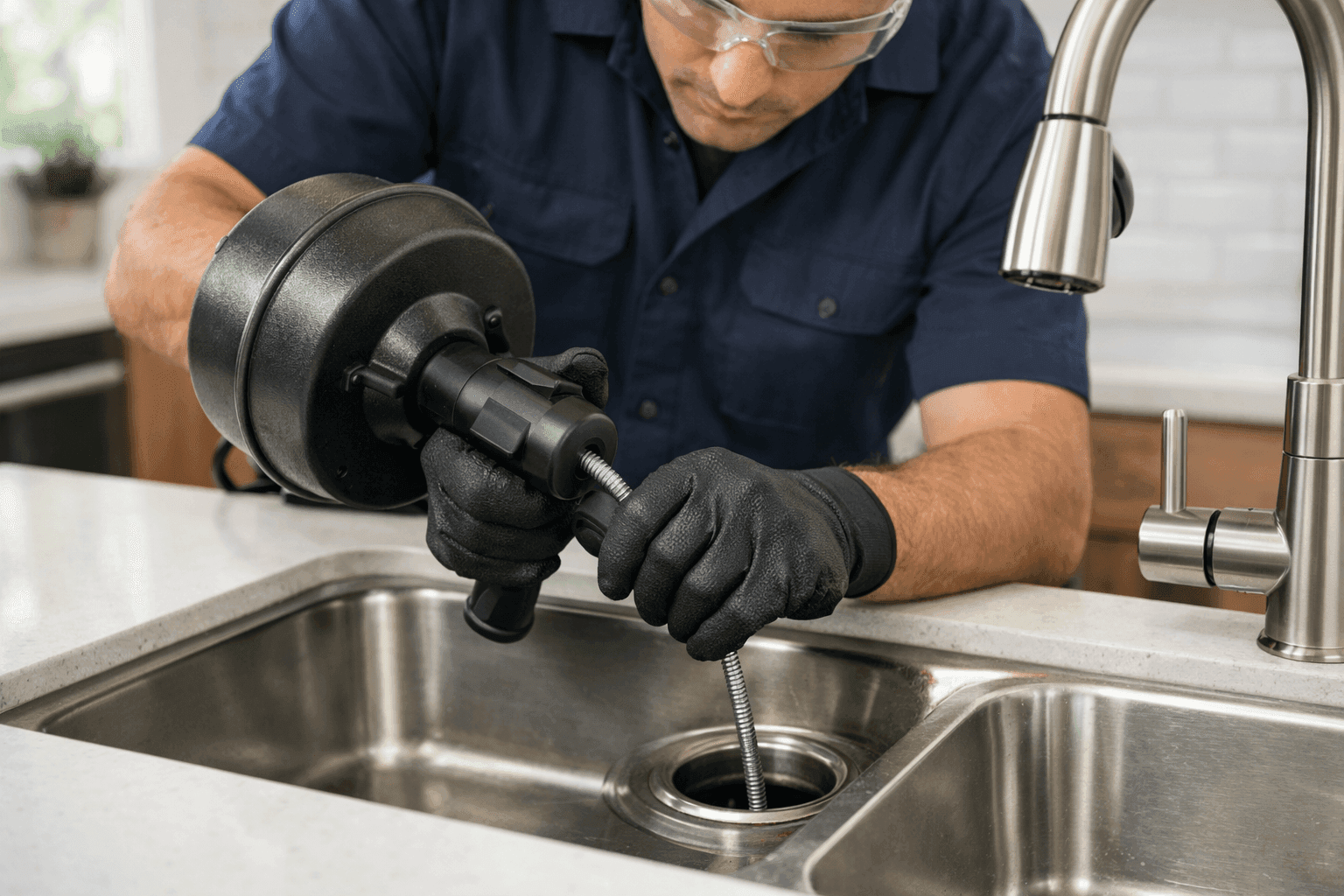
- Drain Snake: A simple, flexible snake or even a plastic zip tool can grab hair and debris from just below the drain cover.
Always wear gloves and eye protection when tackling a clog. And if you feel resistance that won’t budge, don’t force it—pipes can be more fragile than they look.
Risks of Store-Bought Chemicals ⚠️
It’s tempting to grab a bottle of drain cleaner from the store. But these products often contain harsh chemicals like lye or sulfuric acid. Here’s why you should think twice:
- Pipe Damage: Over time, repeated use can corrode metal and even some types of plastic pipes.
- Health Hazards: The fumes can be dangerous, especially in small spaces. Splash-back can cause skin burns.
- Environmental Impact: Many chemical cleaners are harmful to water treatment systems and local waterways.
If you must use a chemical drain cleaner, read the label carefully and follow all safety instructions. But remember—reaching for these is like using a sledgehammer to crack a walnut. There are usually safer, more effective options.
Signs You Need a Pro
Not all clogs are created equal. Sometimes, DIY just isn’t enough. Here’s when it’s time to call in a professional plumber:
- Multiple Clogged Drains: If more than one fixture is backing up, you may have a main line blockage.
- Slow Drains Throughout the House: This can indicate a deeper issue in your home’s plumbing system.
- Frequent Clogs: If you’re clearing the same drain every few weeks, something bigger might be going on.
- Bad Odors: Persistent sewer smells can signal a broken or blocked sewer line.
- Water Backing Up Elsewhere: If running the dishwasher causes a bathroom backup, call a pro immediately.
In these cases, professional tools like motorized drain augers or hydro-jetting can safely and thoroughly clear the problem. Plus, a pro can inspect for hidden issues like tree root intrusion or collapsed pipes.
Quick Safety Checklist Before You Start 📝
Before diving into any drain cleaning project, run through this quick safety list:
- Remove standing water with a bucket or sponge.
- Turn off the water supply to the affected fixture.
- Keep children and pets out of the work area.
- Wear rubber gloves and safety goggles.
- Never mix cleaning chemicals—they can create toxic fumes.
If you’re ever unsure, pause and call a professional. It’s better to ask than to risk injury or property damage.
How the Pros Handle Stubborn Clogs
When Peters Flo Plumbing arrives, we don’t just poke around with a plunger. Here’s what you can expect:
- Inspection: We use cameras to look inside the pipes, spotting blockages or damage without guesswork.
- Specialized Tools: From heavy-duty augers to hydro-jetting machines, we have the right equipment for any job.
- Clear Diagnosis: We’ll explain what caused the problem and how to prevent it in the future.
- Safe Repair: Our team follows current plumbing codes and safety standards for every repair.
Need emergency plumbing help? We’re ready 24/7—because clogs don’t wait for office hours.
When It’s an Emergency 🚨
Some clogs can’t wait. Call for immediate help if:
- Water is overflowing and won’t stop, risking water damage.
- Sewage is backing up into sinks, tubs, or toilets.
- You smell gas or suspect a leak (never try to fix gas lines yourself).
Speed matters in these situations to protect your home and family.
Costs and Time Factors to Consider
DIY drain cleaning can be quick and cheap—but only for simple blockages. If a clog is deep or keeps returning, attempting multiple fixes can add up in time, stress, and money. Professional drain cleaning may seem like an investment, but it often saves you from bigger repair bills down the line—like water damage, pipe replacement, or mold remediation.
Frequently Asked Questions
How often should I clean my drains?
Routine cleaning every few months prevents buildup, especially in kitchens and bathrooms.
Are chemical drain cleaners safe for all pipes?
No. They can damage older metal, PVC, or galvanized pipes. If you’re unsure, skip them.
Can I use a toilet plunger on a sink?
You can, but for best results use the right size and shape plunger for the fixture.
Is it safe to put hot grease down the drain if I run water?
No. Grease solidifies as it cools, eventually causing a clog no matter how much water you use.
Preventing Future Clogs 🛡️
Good habits keep your plumbing flowing smoothly. Here’s how to stop clogs before they start:
- Use Drain Screens: Catch hair, food scraps, and other debris before they enter your pipes.
- Dispose of Grease Properly: Pour cooled grease into a can and toss it in the trash.
- Flush Only Toilet Paper: Wipes, feminine products, and paper towels belong in the bin—not the bowl.
- Run Hot Water: After washing dishes, run hot water for 30 seconds to help clear soap and oils.
- Regular Maintenance: Schedule annual drain cleaning services for peace of mind.
After big gatherings—like holiday meals—run hot water and check for slow drains. Prevention is easier than a late-night clog.
Seasonal Considerations
Winter brings its own plumbing challenges. Pipes can freeze, causing blockages or bursts. In spring, tree roots search for water and can sneak into sewer lines. During fall, leaves and yard debris can clog outdoor drains. Adapt your maintenance routine as the seasons change to stay ahead of trouble.
Common Mistakes to Avoid ❌
- Ignoring Slow Drains: A slow drain is a red flag. Don’t wait for a full backup.
- Overusing Chemicals: Quick fixes can cause long-term pipe damage.
- DIY Overreach: If you’re unsure, don’t force it. Pipes are easy to damage and expensive to repair.
- Pouring Everything Down the Sink: When in doubt, throw it out—in the trash, not the drain.
The Value of Preventative Maintenance
Think of your plumbing like a car. Regular tune-ups keep things running and help you spot small issues before they become big, messy problems. Schedule periodic checks for unclogging toilets, leak detection, and backflow prevention near you for extra protection.
Protecting Your Pipes for the Long Run
Your home’s plumbing is built to last, but it needs a little help. Follow safety guidelines from sources like the International Association of Plumbing and Mechanical Officials (IAPMO) and your local building codes. If you live in an older home, consider a professional inspection every few years.
For residents looking for reliable plumbing solutions, check out our plumbing services in Coppell for trusted drain cleaning and repair.
Drain issues can turn even the best day upside down. Whether you need quick advice, a routine cleaning, or emergency help, Peters Flo Plumbing is here to keep your home safe and your pipes clear.
Call Peters Flo Plumbing now — or reach us anytime at 877-331-9687 .