Why You Shouldn’t Flush Wipes (and What to Do Instead)
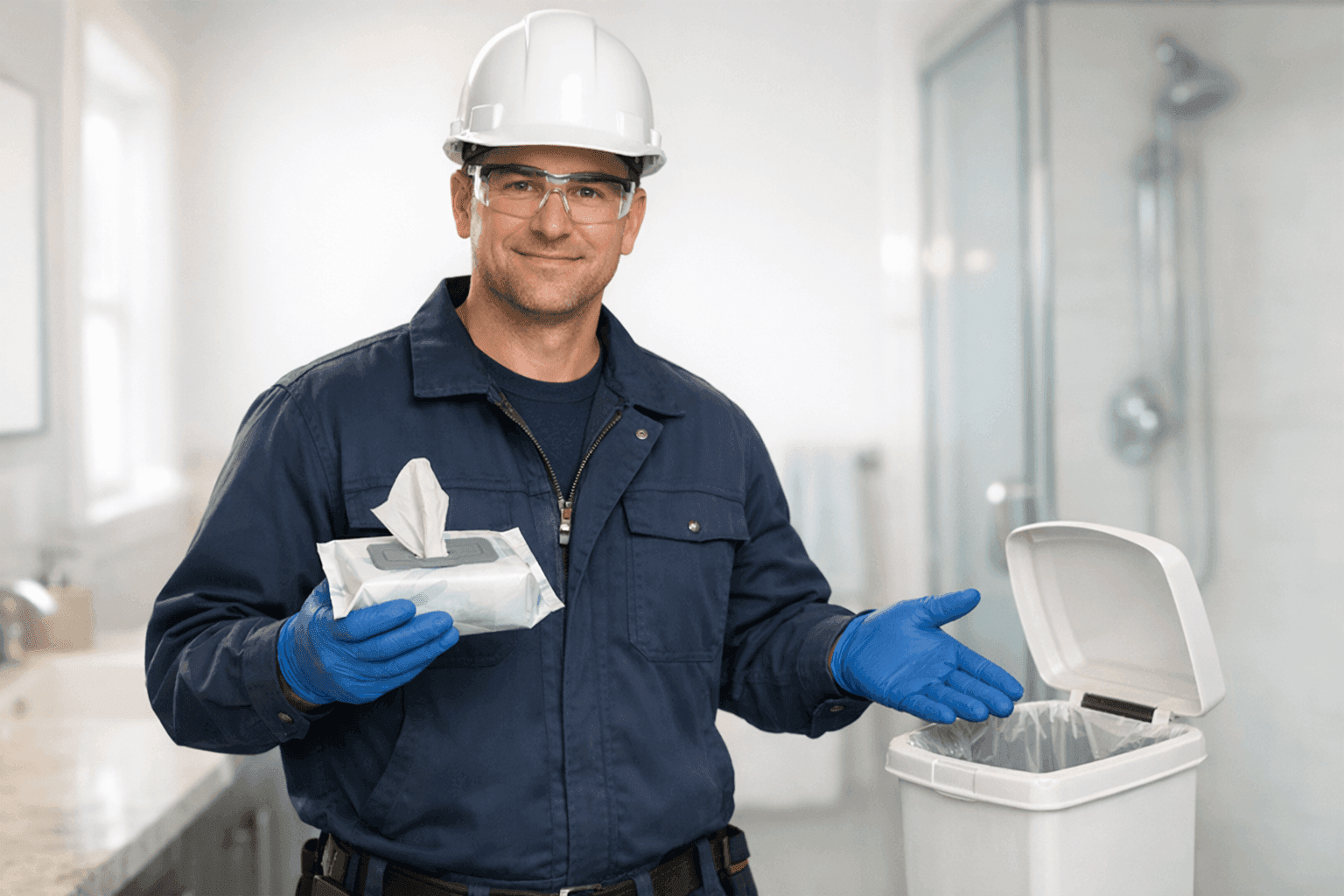
Think flushing wipes is no big deal? You’re not alone. Many homeowners see those wipes swirl away and never think twice—until one day the toilet won’t flush, or dirty water seeps up from the basement drain. Suddenly, something as small as a wipe becomes a major headache.
At Peters Flo Plumbing, we see firsthand how tiny decisions can lead to big plumbing problems. We’re here to help you avoid clogged pipes, messy backups, and costly repairs with practical, real-world advice.
Why Wipes Cause Clogs 🚫
Wipes—whether labeled “flushable” or not—just don’t break down like toilet paper does. Think of them as little fabric patches: tough, strong, and stubborn. Once flushed, they travel a short distance before snagging on rough spots or bends in your pipes.
Unlike toilet paper, which dissolves quickly, wipes hang around. They clump together, catch hair and grease, and before you know it, you’ve got a wad as dense as a wet towel blocking your plumbing. In fact, the National Association of Clean Water Agencies reports that wipes are responsible for a staggering number of residential and municipal sewer clogs every year.
Real-world example: Last spring, a family in our area called us for help. Their entire house was backing up. We opened the main line and found a clog the size of a football—made almost entirely of wipes and paper towels.
Hidden Risks: It’s More Than Just a Clog
Clogs are just the start. Wipes can trigger a domino effect of plumbing problems:
- Sewer Backups: Water (and worse) can surge back into your home, damaging floors, walls, and personal belongings.
- Backflow Hazards: Blockages increase pressure and can activate backflow—a plumbing nightmare where wastewater flows the wrong way, threatening your health and safety.
- Pipe Damage: The stress of repeated blockages can crack older pipes or loosen joints, leading to leaks behind walls or under floors.
If you’re searching for Backflow Prevention, knowing what not to flush is one of the best ways to keep your system safe.
The Myth of “Flushable” Wipes
“Flushable” is more of a marketing term than a plumbing reality. Even wipes that claim to be safe for toilets often fail disintegration tests required by wastewater authorities (see the International Water Services Flushability Group standards).
In short: if it’s not toilet paper, it probably shouldn’t go down the toilet.
Safer Alternatives for Cleaning
You don’t have to give up convenience for the sake of your plumbing. Try these:
- Reusable Washcloths: Wash, rinse, repeat. Eco-friendly and gentle on pipes.
- Paper Towels: Use, then toss in the trash—not the toilet.
- Bidet Attachments: A little water goes a long way to reduce wipe usage.
Keeping a small covered trash can in every bathroom makes tossing wipes easy and discreet.
How to Dispose of Wipes Properly 🗑️
Simple rule: Wipes belong in the trash, not the toilet. Here’s how to make it routine:
- Place a lined bin next to every toilet.
- Remind family members and guests with a friendly note or sticker.
- Empty bins regularly to prevent odors.
If you’re worried about mess, use bins with lids and deodorizing bags. It’s an easy fix that prevents major headaches down the line.
Real-World Clogs: What Happens Next
When wipes clog a pipe, here’s what you can expect:
- Slow Drains: Water pools around your feet in the shower, or sinks drain sluggishly.
- Gurgling Sounds: Toilets and drains make odd noises as trapped air tries to escape.
- Overflow: Water appears where it shouldn’t—often in the lowest drain, like a basement shower.
Our plumbers find everything from wads of wipes to toys and hygiene products blocking pipes. In one memorable case, a single bathroom’s “flushable” wipe habit led to a mainline blockage that required hours of hydro-jetting and repair.
DIY vs. Call a Pro
Some minor clogs can be handled with a plunger or drain snake. But wipes often wedge deep in the line—far beyond what a homeowner can reach. If you notice:
- Multiple drains backing up at once
- Sewage smells indoors
- Overflowing toilets that won’t clear
…it’s time to call a licensed plumber. Attempting to force the blockage can crack pipes or make the situation worse.
What the Pros Do on Arrival
Our team starts with a video sewer inspection, threading a camera into the line to spot the clog’s location and size. We use commercial-grade equipment like hydro-jetters and augers to blast away tough blockages without damaging your pipes. If there’s any risk of backflow, we’ll inspect and test your prevention devices per local plumbing codes.
Prevention & Maintenance: Your Best Protection
Routine maintenance keeps your plumbing in top shape. Peters Flo Plumbing offers annual drain cleaning and sewer line inspection services, ensuring small problems don’t become big emergencies.
Consider these habits:
- Only flush toilet paper and human waste.
- Keep wipes, hygiene products, and cleaning pads out of the toilet.
- Schedule regular pipe and drain checks, especially in older homes.
Quick Safety Checklist ✅
- Trash bin in every bathroom
- No wipes, paper towels, or hygiene products in toilets
- Immediate action at first sign of slow drains
- Annual plumbing inspections
Seasonal Considerations
Clogs can strike any time, but heavy rains and spring thaw put extra pressure on sewer lines. Add wipes into the mix, and you risk a backup when you least expect it. Schedule preventive maintenance before the wet season starts.
Common Mistakes to Avoid
- Flushing “just one” wipe—over time, they add up.
- Ignoring early warning signs like slow drains or gurgling.
- Using chemical drain cleaners, which can damage pipes and don’t dissolve wipes.
Signs of Trouble: Know When to Act
- Toilet water rising higher than normal
- Bubbling or gurgling in tubs or sinks
- Foul odors near drains, especially after flushing
- Water pooling around floor drains
Don’t wait for a full-blown backup. Early action saves money and stress.
Timeline & Disruption: What to Expect
Clearing a wipe clog can take from 30 minutes to several hours, depending on severity and location. In extreme cases, pipes may need to be dug up and replaced. The sooner you call, the less disruption to your home and routine.
Costs & Time Factors
Clogged pipes from wipes are among the most expensive plumbing repairs. Simple snaking may cost less, but major blockages requiring hydro-jetting or pipe replacement can run into the thousands. Prevention is always cheaper than repair.
Materials & Equipment Used
- Video inspection cameras
- Motorized drain augers
- Hydro-jetters for tough clogs
- Pipe repair kits for damaged sections
All work is done in line with local plumbing codes and best practices from the American Society of Plumbing Engineers.
FAQ: Wipes and Plumbing
Q: Are any wipes safe to flush?
A: None, even those labeled “flushable,” break down like toilet paper.
Q: Can wipes harm septic systems?
A: Absolutely. Wipes can clog septic tanks and reduce system lifespan.
Q: What if I accidentally flushed a wipe?
A: Try to retrieve it if possible. Monitor drains for signs of trouble and call a plumber if needed.
When It’s an Emergency
If water or sewage is backing up into your home, especially after storms or heavy use, act fast. Turn off the main water supply to minimize damage and call for emergency plumbing help right away.
Building Trust Through Prevention
At Peters Flo Plumbing, we believe a little prevention saves a lot of stress. We’re committed to helping homeowners keep their plumbing running smoothly—one flush at a time. For more tips or help with plumbing services in Linton Hall, reach out anytime.
Call Peters Flo Plumbing now — or reach us anytime at 877-331-9687 .