How to Tell If Your Home Needs Repiping
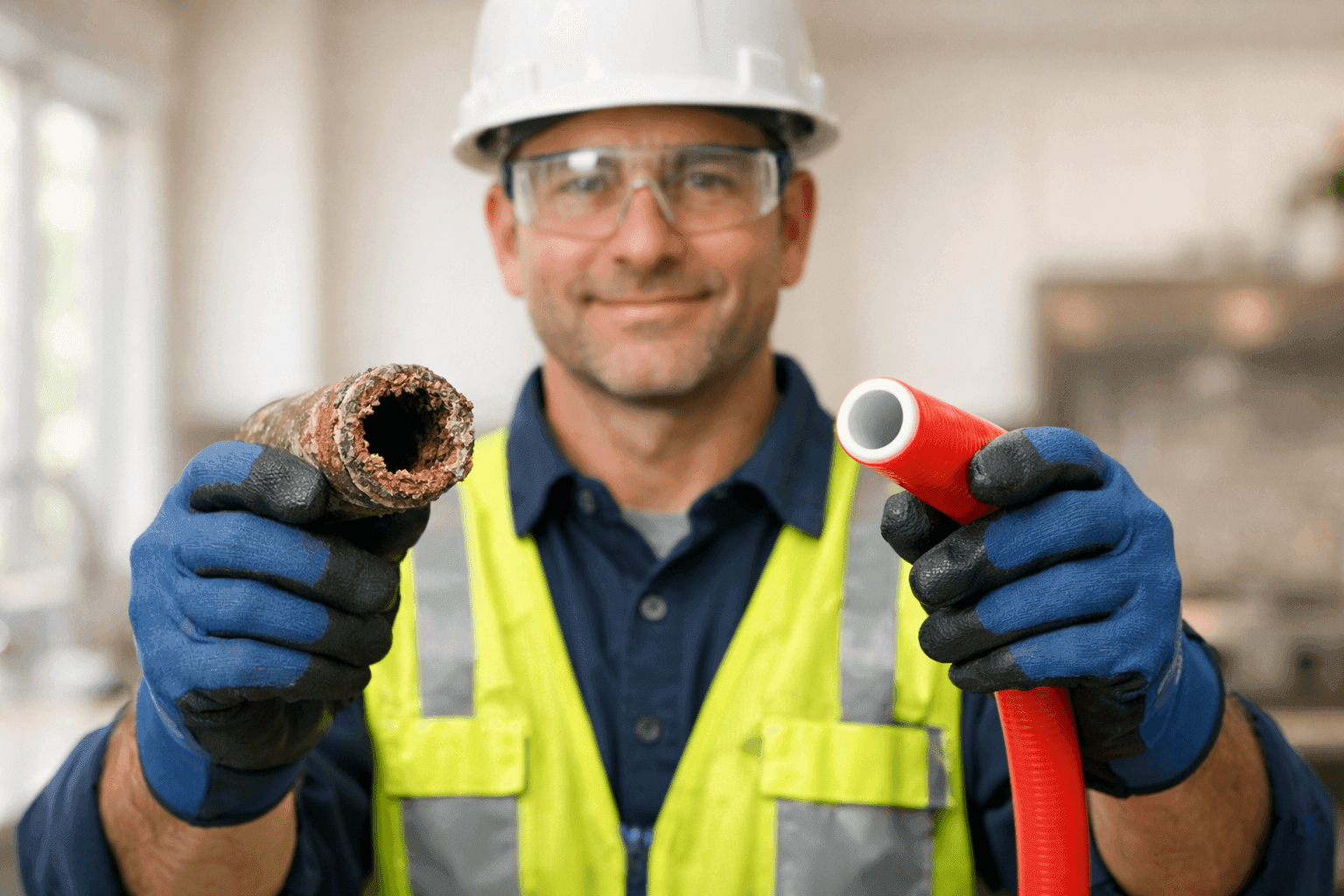
Does your tap water look rusty, or do you hear odd noises in your walls? Maybe your shower pressure drops right when you need it most. If you’ve been patching leaks or worried about strange plumbing smells, you’re not alone. These aren’t just old-house quirks—they can be warnings that your home’s pipes are ready for a major update.
At Peters Flo Plumbing, we help homeowners spot these signs before bigger headaches set in. Repiping might sound like a huge job, but with the right knowledge and a steady hand, it’s manageable—even empowering. Let’s break down what to watch for, why pipes fail, and how pros handle the process.
Signs You Need Repiping 🚨
Not all plumbing problems mean your whole house needs new pipes. But some symptoms are like a car’s check engine light—ignore them, and you may be in for costly repairs down the road.
Here are the biggest red flags:
- Rusty or Discolored Water: If brown or orange water comes from your taps, your pipes may be corroding from the inside out.
- Frequent Leaks: Patch one leak, and another pops up? That’s a sign the whole system is wearing thin.
- Low Water Pressure: If your once-strong shower now feels like a drizzle, old pipes clogged with buildup may be the culprit.
- Strange Noises: Banging, rattling, or whistling sounds behind walls can mean pipes are loose or water flow is obstructed.
- Visible Corrosion: Green, white, or rust stains on exposed pipes are a warning sign.
- Odd Smells: Musty or metallic odors in water can mean corrosion or bacteria growth.
Noticed any of these? Don’t wait for a burst pipe in the middle of the night.
Common Causes of Pipe Failure
Pipes don’t last forever—think of them like the bones of your house. Over time, age, water chemistry, and the materials used can all play a part in their decline.
- Material Matters: Galvanized steel pipes, common in homes built before the 1960s, are prone to rust and corrosion. Polybutylene pipes (popular in the ‘70s and ‘80s) are notorious for sudden failure. Copper and PEX fare better but aren’t bulletproof.
- Hard Water: High mineral content can slowly clog or erode pipes from the inside.
- Soil and Climate: Shifting soil, freezing winters, or high humidity can stress pipes underground and in walls.
- Previous Repairs: Multiple patches or mismatched materials can weaken the system.
Stay alert—especially if your home is 40+ years old or you don’t know when the pipes were last inspected.
What to Expect: The Repiping Process
Hearing “repiping” might make you think of a construction zone, but understanding the steps can bring some peace of mind.
Step-by-Step Overview
- Assessment: Pros start with a thorough inspection—sometimes using cameras or leak detection equipment to map trouble spots.
- Planning: They develop a plan, choosing pipe materials (like copper, PEX, or CPVC) that best fit your home and budget.
- Preparation: Water is shut off, and protective measures are put in place to minimize dust and mess.
- Old Pipe Removal: Access holes are made strategically in walls, ceilings, or floors. Old pipes are removed with care.
- Installing New Pipes: Fresh piping is run through the home, following modern code standards (check the International Plumbing Code for typical requirements).
- Pressure Testing: Before patching up, the new system is pressure-tested to catch leaks.
- Restoration: Walls and ceilings are repaired, and water service is restored.
Expect a few days of work for a standard home, though complex layouts can take longer. Good plumbers respect your space—cleaning as they go and keeping you updated.
Quick Safety Checklist
Before any major plumbing work, keep safety front and center:
- Clear valuables and furniture from work areas.
- Ask about lead pipes—removal may have special requirements (see the EPA’s Lead and Copper Rule).
- Ensure all household members know when water will be off.
- If you have pets, arrange a safe, quiet space for them.
DIY vs. Call a Pro
Swapping out a faucet? Sure, that’s a DIY project. Repiping an entire house? Not so much. This job demands specialized tools, plumbing code know-how, and careful planning. A single mistake could mean costly water damage or a failed inspection.
For repiping, always call a licensed plumber. At Peters Flo Plumbing, our team handles everything—from leak detection to final inspection—so you can rest easy.
How Plumbers Assess Your Pipes
Wondering what happens during an inspection? Here’s what pros do:
- Visual Checks: Inspect exposed pipes in basements, crawlspaces, and under sinks.
- Pressure Testing: Measure water pressure and look for drops that signal trouble.
- Water Quality Sampling: Check for rust, sediment, or odd smells.
- Camera Inspection: For underground or hidden pipes, tiny cameras reveal the inside story.
This detective work leads to a clear, honest plan for your home.
Timeline and Disruption: What to Expect
Let’s be real—repiping will disrupt your routine. But the right team keeps surprises to a minimum.
- Typical Timeline: Most repiping jobs take 3–7 days, depending on home size and complexity.
- Water Shut-Off: Expect water to be off for several hours each day, not the entire project.
- Noise and Dust: Some, but pros use drop cloths and clean as they go.
We keep communication clear so you always know what’s coming next.
Common Mistakes to Avoid
When it comes to old pipes, don’t fall for these traps:
- Ignoring Early Signs: Waiting too long can mean bigger, costlier fixes.
- Partial Repiping: Swapping only the worst sections can lead to mismatched pipes and future headaches.
- Unlicensed Work: Always choose licensed plumbers who follow local building codes.
Cost Factors: What Drives the Price?
Repiping isn’t a small investment, but the benefits last decades.
- Home Size: Larger homes need more pipe and labor.
- Pipe Material: Copper costs more than PEX, but lasts longer.
- Access: Pipes hidden behind tile or concrete take longer to reach.
- Code Upgrades: Some local rules require extra steps for safety.
Ask for a detailed written estimate—no surprises.
Is It an Emergency?
Some pipe problems can’t wait:
- Major Leaks or Bursts: Immediate attention needed.
- Sewage Backups: Health hazard—call for emergency plumbing.
- No Water: If your whole house loses water, it may be time for repiping.
If you’re not sure, Backflow Prevention can help protect your water supply from contamination.
Seasonal Considerations
Winter’s freeze-thaw cycles can push old pipes over the edge. If you’ve had frozen pipes before, spring is a great time to assess and plan upgrades.
Prevention & Maintenance
Want to make your new pipes last? Here’s how:
- Schedule regular inspections (every 2–3 years).
- Use water softeners if you have hard water.
- Don’t ignore small leaks—fix them promptly.
- Avoid chemical drain cleaners; they can damage pipes.
Frequently Asked Questions
Q: How long will new pipes last?
Most modern pipes last 50+ years with proper care.
Q: Will my walls be ruined?
Pros cut precise holes and repair them after. Most homeowners can repaint or touch up easily.
Q: Can I stay home during the work?
Yes—just plan for some noise and temporary water shut-offs.
Next Steps: What Should You Do Now?
If you’re seeing warning signs or your plumbing is decades old, don’t wait for disaster. A professional inspection can give you peace of mind and help you plan. For more tips and help with all your plumbing needs in Gulfport, we’re just a call away.
Call Peters Flo Plumbing now — or reach us anytime at 877-331-9687 .