Do You Need a Plumbing Permit? What Homeowners Should Know
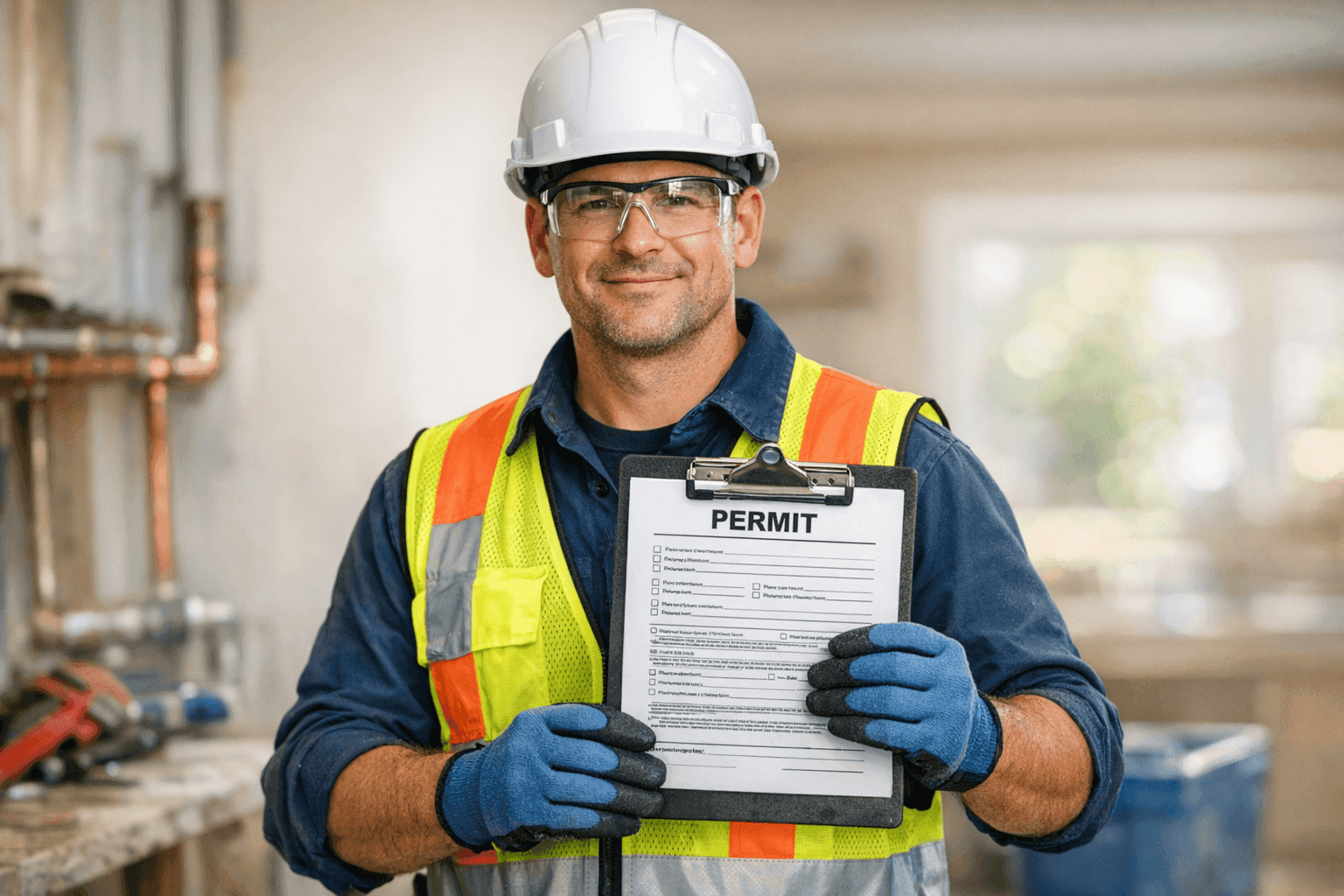
Does your next plumbing project need a special green light from the city? Many homeowners aren’t sure. Getting started can feel like walking into a maze—with rules hiding behind every turn.
At Peters Flo Plumbing, we help people untangle those rules every single day. Let’s turn the confusion into confidence, so your home stays safe and your investment protected.
When Is a Plumbing Permit Required?
Picture a permit like a hall pass for your home’s water and gas systems. Not every job needs one—but the wrong guess can cost you.
Common Projects That Need a Permit:
- Repiping your whole house or large sections
- Installing or replacing gas lines
- Sewer line installation or major repairs
- Adding new plumbing fixtures in a remodel
- Moving or replacing water heaters
- Backflow Prevention near you
- Pipe installation through walls, floors, or ceilings
Small repairs—like unclogging a toilet or swapping a faucet—usually don’t require a permit. But bigger jobs, especially anything behind walls or underground, almost always do. Each city’s rules differ, so check your local building department or trusted sources like the International Plumbing Code (IPC) and Uniform Plumbing Code (UPC).
Why Permits Protect Homeowners 🛡️
Permits are more than just paperwork. Think of them as a shield—protecting you from hidden dangers and future headaches.
How Permits Safeguard You:
- Safety First: Inspectors verify work meets up-to-date safety codes, reducing risks of leaks, gas issues, or water contamination.
- Insurance Coverage: Most home insurance won’t cover damages from unpermitted work. If a pipe bursts and you skipped the permit, you could be left holding the bill.
- Resale Value: When you sell, buyers and inspectors look for permit records. Missing permits might stall your sale or even lower your home’s value.
- Legal Protection: If something goes wrong, permitted work offers proof that you followed the law.
Skipping a permit is like skipping a seatbelt. It might seem fine—until you hit a bump.
The Permit Process
Getting a plumbing permit isn’t as mysterious as it sounds. Here’s how the process typically works:
- Application: You or your licensed plumber submit plans to the city or county. For serious work—like sewer lines or major repiping—a detailed drawing may be needed.
- Review: Officials check your plans for safety and code compliance.
- Approval: Once reviewed, you’ll receive the permit to start work.
- Inspections: After key steps (like before walls are closed), inspectors come out to check the work.
- Final Signoff: Once all inspections pass, you’ll get official signoff.
Pro Tip: Always save copies of your permits and inspection records. They’re as important as your home’s title.
Consequences of Unpermitted Work
What happens if you skip the permit? The fallout can be messy—and expensive.
- Fines: Cities may issue hefty fines if they discover unpermitted work.
- Tear-Out Orders: You might be required to remove walls or undo finished work for inspection.
- Insurance Denial: Claims related to unpermitted plumbing often get denied.
- Safety Hazards: Unchecked gas or water line mistakes can cause leaks, mold, or even fires.
- Resale Roadblocks: Appraisers and buyers check permit history. Missing records can derail a sale.
If you suspect previous owners skipped a permit, consider a Preventative Maintenance or leak detection before buying or remodeling.
Quick Safety Checklist Before Starting
Before you pick up a wrench, ask yourself:
- Is this project more than a minor repair?
- Will I be touching gas, sewer, or main water lines?
- Am I altering plumbing behind walls, floors, or ceilings?
- Does local code require a permit for this job?
When in doubt, a quick call to your city’s building department or a licensed plumber can save weeks of trouble.
DIY vs. Call a Pro: Knowing Your Limits
DIY plumbing can be tempting, but permits often require work by licensed contractors. Some cities allow homeowners to pull permits, but you’re still on the hook for code compliance.
Pros of Hiring a Licensed Plumber:
- Knows local codes inside and out
- Handles paperwork and inspection scheduling
- Work is covered by insurance and warranty
- Minimizes risk of callbacks or costly mistakes
Many homeowners find peace of mind by letting professionals handle pipe installation, especially for anything more complex than a leaky faucet.
What Pros Do On Arrival
When Peters Flo Plumbing arrives, we:
- Assess the job and determine permit needs
- Help with necessary paperwork
- Schedule inspections at the right stages
- Use materials that pass code (from gas lines to backflow devices)
- Leave each project with clean records for your files
Our approach is thorough, but not overbearing. We treat your home like our own.
Prevention & Maintenance: Stay Ahead of Permit Problems
Most plumbing emergencies start as small issues—like a drip behind the wall or a slow drain. Regular preventative maintenance can catch these before they become permit-triggering disasters.
Simple Habits:
- Annual water heater checks
- Backflow testing for peace of mind
- Inspecting pipes for corrosion or leaks
Think of it as a yearly health checkup for your home’s arteries.
Costs & Time Factors
Permits add cost and time, but not as much as you might think.
- Fees: Most permits range from $50–$500, depending on project size.
- Inspections: Plan for at least one inspection, sometimes two for larger jobs.
- Timeline: Permits can add a few days to a week to your timeline. Rushing without one can lead to months of headaches down the road.
Remember, unpermitted work often costs double—once to fix mistakes, again to redo it legally.
When It’s an Emergency
Emergencies like burst pipes or gas leaks don’t wait for paperwork. Most cities allow immediate repairs in a crisis, but expect to pull a permit and schedule inspection when things calm down.
Call 911 or your gas company immediately for suspected leaks. Then contact a plumber to handle the emergency and follow up with proper permits.
Frequently Asked Questions
Do I need a permit for a simple leak repair?
Usually not, unless it involves replacing significant lengths of pipe or altering gas or sewer lines.
What about replacing a toilet or faucet?
Swapping out fixtures rarely needs a permit. But adding new ones or moving plumbing lines often does.
How do I check if my project needs a permit?
Contact your local building department or check the IPC/UPC guidelines.
Seasonal Considerations
Cold winters and rainy springs can put extra pressure on pipes and sump pumps. If you’re planning upgrades or repairs, pull permits early—inspections book up fast during busy seasons.
Regular maintenance, like sump pump checks and winterizing exterior pipes, rarely needs permits but helps avoid major repairs down the road.
Common Mistakes Homeowners Make
- Assuming small jobs never need permits
- Starting work before getting approval
- Failing to call for required inspections
- Losing permit paperwork (always make copies!)
- Ignoring local code updates
Avoid these pitfalls, and you’ll save time, money, and stress.
Signs of Permit Trouble
- Unexplained water stains or musty odors
- Unusual water pressure drops
- Visible new plumbing with no permit record
- Walls closed up before inspection
If you notice these, consider a professional inspection or leak detection service.
Timeline & Disruption: What to Expect
Permit-required jobs take a little longer, but they’re worth it. Expect:
- A few days for paperwork approval
- One or more inspections (sometimes mid-project)
- Short pauses while waiting for city signoff
The peace of mind and protection are worth every extra day.
Materials and Equipment That Trigger Permits
Certain materials raise red flags for inspectors:
- Old lead or galvanized pipes (often require replacement)
- Flexible gas connectors (must meet code)
- Backflow devices for cross-connection control
Using the right materials keeps inspectors—and your family—happy.
Get Professional Plumbing Help Near You
If you have questions about permits or want to schedule Backflow Prevention near you, Peters Flo Plumbing is ready to help. For those in the area, you can find a plumbing professional in Broomfield who can handle permits and code compliance.
Call Peters Flo Plumbing now — or reach us anytime at 877-331-9687 .