The Cost of Plumbing Repairs: What Homeowners Should Expect
Home plumbing problems have a way of sneaking up on you. One day, everything flows smoothly. The next, there’s water where it shouldn’t be—or nothing is draining at all. When something goes wrong, the first question most homeowners ask is, “How much will this cost me?”
At Peters Flo Plumbing, we know how stressful surprise repairs can be. Let’s break down what you should expect when budgeting for plumbing repairs, so you’re never left in the dark about your options or your bill.
Common Repair Costs for Homeowners 💡
Every home is different, but some plumbing problems show up everywhere. Here’s what you can expect for the most common repairs:
- Leak Repair: Small leaks in pipes, faucets, or fixtures can run from $125–$400, depending on access and damage. Bigger leaks behind walls or under floors will cost more due to the time and materials needed.
- Clogged Drains and Toilets: Snaking a basic clog often falls between $100–$350. More severe blockages, or those deep in the sewer line, might reach $500+.
- Water Heater Repairs: Simple fixes (thermostats, valves) typically cost $150–$400. Full replacement? That’s usually $1,200–$2,500, including labor and disposal.
- Sump Pump Repairs: Repairs range from $200–$600. Replacement can be $800–$2,000, depending on style and location.
- Backflow Prevention: Installation or annual testing varies. Expect $100–$250 for testing and $500–$1,500 for new device installation. Backflow Prevention is a must for protecting your water supply.
- Pipe Repairs and Repiping: Small repairs can cost $150–$500. Full home repipes may run $4,000–$10,000, depending on size and materials.
- Garbage Disposal Repair: Fixing a jam is often $100–$250. Replacement, including a new unit, can be $350–$750.
These are average ranges. Your home, the extent of damage, and even the time of day can tip prices higher or lower.
Factors Affecting the Price of Plumbing Repairs
Plumbing costs aren’t one-size-fits-all. Here’s what goes into the final price:
- Labor: The largest part of most bills. Highly qualified plumbers cost more, but you’re paying for skill and code compliance.
- Parts and Materials: Prices vary by brand and quality. Copper pipe costs more than PEX; a high-end faucet is pricier than a basic model.
- Access: If your plumber has to cut into walls or dig, expect extra charges.
- Urgency: Emergency plumbing services—especially nights, weekends, or holidays—can add 50% or more to your bill.
- Permits and Codes: Some jobs (like gas line or sewer work) require local permits and inspections, which add time and fee costs.
- Location of the Problem: A leak in the basement? Easier to reach. In a crawl space or behind a tiled wall? More complex equals more labor.
Think of it like fixing a car: changing a tire is quick, but replacing the transmission is a big job.
Getting Accurate Estimates from Your Plumber
A clear estimate is your best defense against surprise costs. When Peters Flo Plumbing arrives, here’s what we do:
- Assessment: We’ll inspect the issue—whether it’s a leak, a clog, or something bigger.
- Diagnosis: We explain the likely cause and recommend solutions.
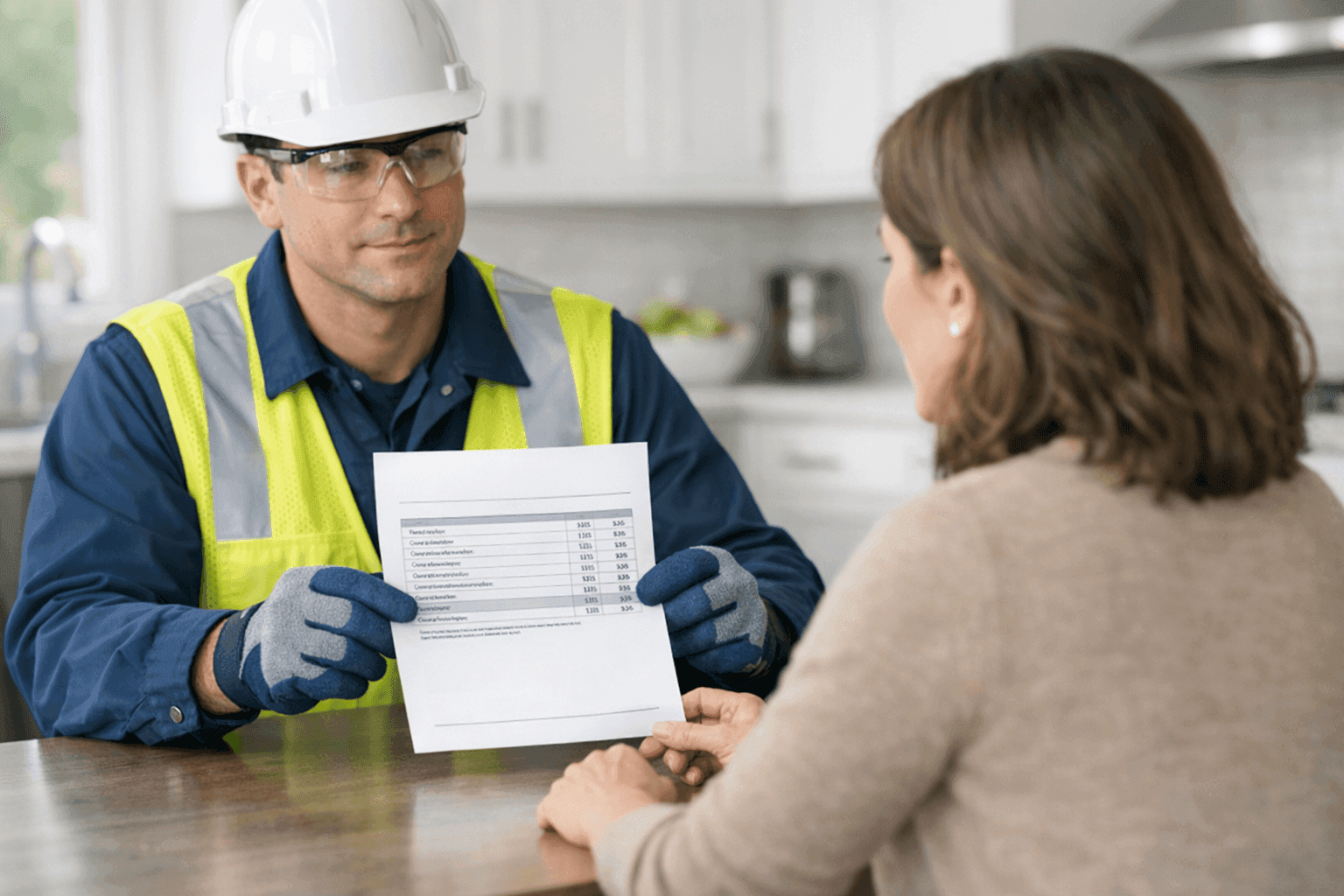
- Detailed Estimate: You get a breakdown of labor, materials, and any extra fees (like emergency rates or permits).
- Timeline: We’ll let you know how long the repair will take, and if water or gas will be shut off.
Always ask for a written estimate. If something changes mid-job—like finding extra damage behind a wall—we’ll talk it through before moving forward.
Budgeting for Plumbing Repairs
Plumbing problems rarely happen when it’s convenient. The best way to avoid budget panic is to plan ahead:
- Set Aside an Emergency Fund: Even $500–$1,000 can soften the blow of an unexpected leak or clog.
- Know Your Home’s Plumbing Age: Older pipes or water heaters are more likely to fail. Schedule regular inspections and set aside extra for likely repairs.
- Consider Preventative Maintenance: Annual visits for Backflow Prevention or water heater flushing can catch small issues before they become costly emergencies.
- Ask About Payment Options: For larger jobs, we’ll walk you through your choices—sometimes phased repairs make sense.
- Review Homeowner’s Insurance: Some policies cover repairs from sudden water damage or sewer backups. Know what’s included.
A little planning now can save a lot of stress—and cash—down the line.
DIY or Call a Pro? When to Tackle It Yourself
Some plumbing fixes are safe for handy homeowners:
- Unclogging a slow drain with a plunger or hair snake.
- Tightening a leaky faucet handle.
- Replacing a shower head.
But when water is leaking from pipes, sewage is backing up, or gas smells are present—call in a professional. Mistakes here can be costly, messy, or even dangerous.
What To Expect When the Plumber Arrives
Here’s how a typical service call goes:
- We arrive on time, logo on the truck, ID in hand.
- We listen to your concerns and inspect the problem.
- We protect your home—drop cloths, shoe covers, and careful cleanup.
- We explain what’s wrong, what it’ll take to fix, and what it will cost.
- You approve the work before we start.
It’s as simple as that. No mystery charges, no jargon—just straightforward service.
Emergency Plumbing: Why It Costs More 🚨
Emergencies don’t wait for business hours. Burst pipes, sewer backups, or broken water heaters at midnight can’t wait until morning. Emergency calls cost more because:
- Plumbers are on-call during off hours.
- Repairs may require extra staff or immediate parts delivery.
- The risk of property damage increases the longer you wait.
When you need emergency plumbing, the higher cost is about getting your life back to normal—fast.
Seasonal Plumbing Considerations
Winter freezes. Spring floods. Summer vacations. Each season brings its own plumbing challenges:
- Winter: Pipes can freeze and burst. Insulate exposed pipes and know where your main shutoff is.
- Spring: Heavy rains may overwhelm sump pumps or expose sewer line issues.
- Summer: Outdoor faucets and sprinklers get heavy use—watch for leaks.
- Fall: Clear gutters and check for blockages before cold weather hits.
Plan ahead and schedule seasonal checks to avoid costly surprises.
Signs of Plumbing Trouble: Don’t Ignore These
Catch problems early and repairs are often quicker and cheaper. Look out for:
- Unexplained water bills rising.
- Damp spots on walls, ceilings, or floors.
- Persistent clogs or slow drains.
- Foul smells from sinks or drains.
- Noisy pipes, banging or whistling.
- Low water pressure or fluctuating temperatures.
When in doubt, it’s better to get a professional opinion before a minor issue grows into a major repair.
How Long Will Repairs Take?
Minor fixes (like a clogged sink or leaky faucet) can be wrapped up in under an hour. Bigger jobs—sewer line repairs, water heater replacements, full repipes—may take a day or several, especially if walls or landscaping must be opened up.
We strive to keep disruption minimal, and always let you know how long you’ll be without water or other services.
Materials and Equipment: Quality Matters
Cutting corners with cheap materials might save a few bucks today, but can lead to costly problems later. At Peters Flo Plumbing, we use parts that meet or exceed plumbing code and manufacturer guidelines. This isn’t just about longevity—it’s about safety for your family.
Curious about local plumbing code? The International Association of Plumbing and Mechanical Officials (IAPMO) and the Uniform Plumbing Code set standards that every reputable plumber follows.
Avoiding Surprise Costs: Tips from the Trenches
Nobody likes a bill that’s higher than expected. Here’s how to keep costs predictable:
- Request a clear, itemized estimate—don’t be afraid to ask questions.
- Schedule regular maintenance (like water heater flushing or backflow testing).
- Fix small leaks or clogs before they become bigger issues.
- Know your main water and gas shutoff locations.
- Be upfront about your home’s age and past repairs when calling for service.
A little information goes a long way toward an accurate quote.
Frequently Asked Questions About Plumbing Repair Costs
Q: Can I get a quote over the phone?
A: For simple jobs, yes. But for leaks, sewer issues, or anything hidden, an in-person assessment ensures accuracy.
Q: Are all plumbers licensed and insured?
A: They should be. Always ask to see credentials.
Q: What if a repair uncovers hidden problems?
A: We’ll stop, explain what we found, and get your approval before continuing.
Q: Is maintenance really worth it?
A: Absolutely. Preventative checks often cost less than a single emergency repair.
Plumbing Service Near You: Local Support When It Matters Most
For homeowners searching for a "plumbing service near you" in the area, Peters Flo Plumbing stands ready to help with everything from quick leak repairs to thorough Sewer Line Inspections. If you’re in the Waukegan area and need a reliable plumber, check out our residential plumbing services in Waukegan for fast, professional help.
Final Thoughts: Peace of Mind Starts with Preparation
Plumbing repairs aren’t something anyone looks forward to. But knowing what to expect—and how to plan—can keep you from feeling overwhelmed when problems pop up. At Peters Flo Plumbing, we believe in clear communication, fair pricing, and repairs done right.
Call Peters Flo Plumbing now — or reach us anytime at 877-331-9687 .