How to Choose a Reliable Plumbing Service
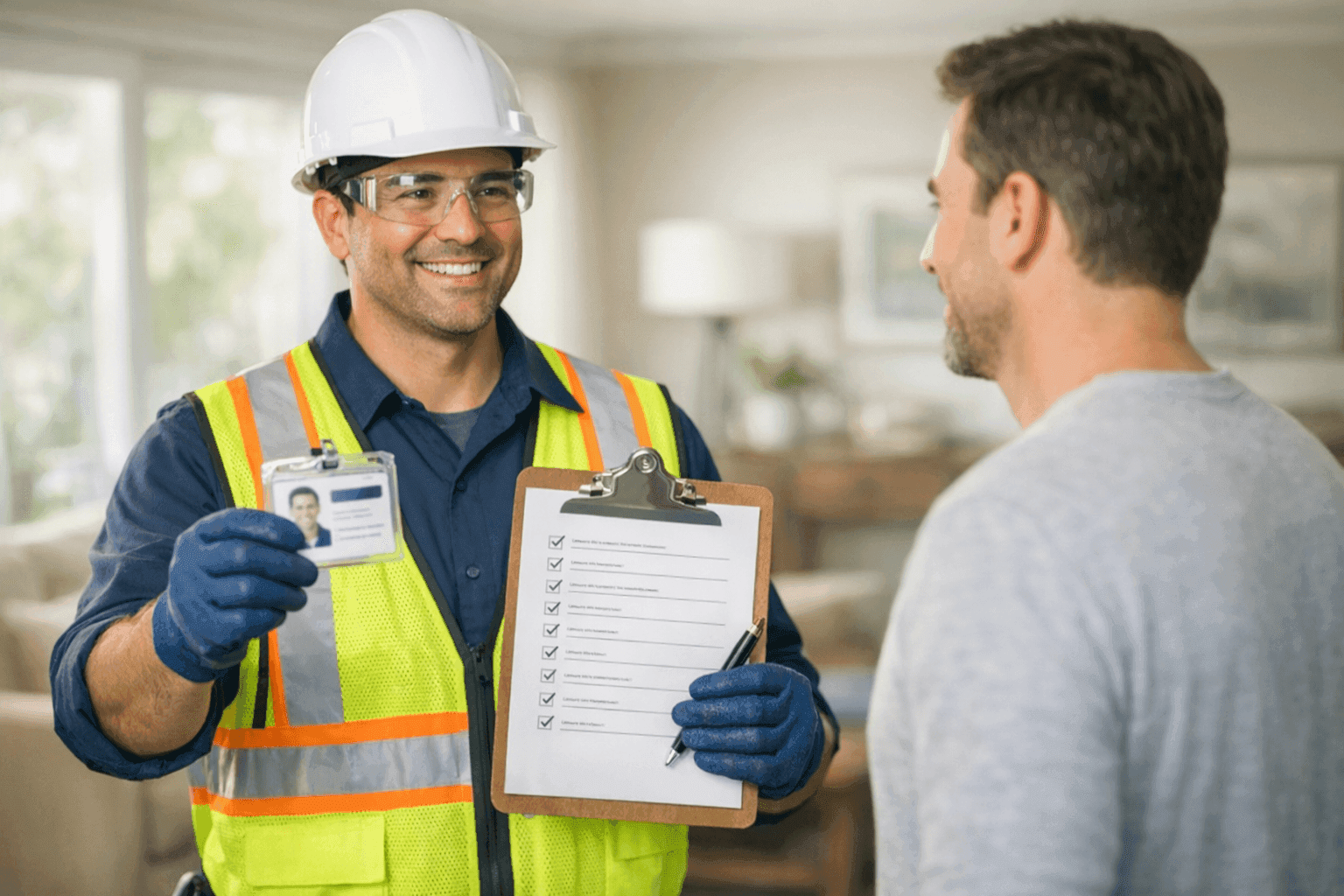
Is your kitchen sink gurgling? Maybe a pipe burst in the middle of the night. Needing a plumber isn’t just inconvenient—it can feel overwhelming. At Peters Flo Plumbing, we know how much trust it takes to let someone into your home.
Choosing the right plumbing service shouldn’t be a leap of faith. With the right questions and a little know-how, you can make a confident choice and protect your home from even bigger headaches.
Why Hiring Matters
A plumber does more than just fix leaks and unclog drains. Plumbing is the lifeblood of your home—water, gas, and waste all flow through a network that needs expert hands. The right professional keeps your family safe, your property protected, and your daily life running smoothly.
A reliable plumber will help prevent major disasters. Think of it like hiring a pilot: you wouldn’t want someone untrained flying your plane. The same logic applies to anyone working on your pipes.
Credentials to Check 🛠
Before you let someone near your pipes, always check these essentials:
- Licensing: Every reputable plumber should be licensed. In most states, this is required by law. A license proves they’ve passed tests on plumbing codes and safety.
- Insurance: Accidents happen. Insurance protects both you and the plumber if something goes wrong on the job.
- Experience: How long have they been in business? A track record means they’ve seen—and solved—a wide range of problems.
- Certifications: Some plumbers go beyond the basics. Look for membership in organizations like the Plumbing-Heating-Cooling Contractors Association (PHCC) or certification for specialized services like Backflow Prevention.
Don’t be shy—ask for proof. A good plumber will be proud to show you.
Questions to Ask
Not sure what to say? Use this checklist next time you call a plumbing service:
- Are you licensed and insured?
- How long have you been in business?
- Can you provide recent references?
- Who will actually be doing the work?
- What is your experience with my specific issue (e.g., sump pump repair, gas line installation, leak detection)?
- How do you charge—by the job or by the hour?
- Do you provide a written estimate?
- What steps do you take to keep my home clean?
- Are parts and labor covered under warranty?
- What is your policy for unforeseen complications?
Writing these down and ticking them off gives you confidence and shows the plumber you value your home.
Red Flags to Avoid 🚩
Sometimes, you get a gut feeling that something isn’t right. Here are warning signs you shouldn’t ignore:
- No license or insurance: This is non-negotiable.
- Reluctance to provide references: If they have happy customers, they’ll be happy to share.
- Vague answers or evasiveness: Clear communication is key.
- High-pressure sales or upfront cash demands: Be cautious if you’re pushed to make a quick decision or pay in full before work begins.
- Unmarked vehicles or missing uniforms: Professionals take pride in their business and show up prepared.
If any of these pop up, it’s okay to walk away.
DIY vs. Call a Pro
It’s tempting to fix a leaky faucet yourself. Sometimes a plunger or wrench is all you need. But for most plumbing issues—especially those involving water heaters, gas lines, or backflow prevention—DIY can quickly turn into a bigger problem.
A professional knows building codes, safety requirements, and the subtle signs of deeper trouble. The difference between a quick fix and a lasting repair can save you thousands.
What Pros Do on Arrival
A trustworthy plumber’s first move? A thorough inspection. They’ll listen to your concerns, check for signs of leaks or damage, and explain what they find in plain language.
Expect them to:
- Diagnose the root cause, not just the symptom.
- Walk you through repair options.
- Offer a clear, written estimate.
If you’re dealing with an emergency, they’ll act fast to stop further damage, then explain next steps.
Prevention & Maintenance
The best plumbing problems are the ones that never happen. Regular maintenance—checking for leaks, inspecting pipes, and scheduling annual Backflow Testing—keeps surprise disasters at bay.
Simple habits help, too:
- Don’t pour grease down the drain.
- Watch for slow-draining sinks or gurgling toilets.
- Schedule a yearly inspection of your water heater and sump pump.
For a full home checkup, ask about preventative maintenance plans.
Costs & Time Factors
Every job is different. Some fixes take minutes, while others—like repiping or sewer line repair—require more time and materials. Don’t be afraid to ask for a breakdown of costs and a project timeline.
Remember: the lowest price isn’t always the best deal. Good plumbers use quality materials and take the time to do the job right.
When It’s an Emergency ⏰
Burst pipe? No hot water? Sewage backing up? These aren’t just inconvenient—they can cause major damage fast.
A reliable plumber will:
- Offer 24/7 emergency response.
- Arrive with the tools and parts most jobs require.
- Communicate clearly about what needs to be done and why.
If you’re in the middle of a crisis, don’t gamble with your home. Call for help immediately.
Seasonal Considerations
Winter freezes, spring rains, summer droughts—every season brings its own plumbing challenges. Pipes can freeze, sump pumps can fail, and water heaters get overworked.
Schedule seasonal checkups to catch issues before they turn into emergencies. A good plumber will offer advice that fits the climate and age of your home.
Common Mistakes Homeowners Make
- Ignoring small leaks or slow drains.
- Hiring someone without verifying their credentials.
- Trying to patch a problem without understanding the cause.
- Waiting too long to call for help.
Staying proactive beats a flooded basement every time.
Signs of Trouble
Watch for these warning signs:
- Sudden drop in water pressure.
- Rusty or discolored water.
- Persistent clogs or odors.
- Wet spots on floors or walls.
- Water heater making strange noises.
Spotting these early lets you act before damage spreads.
Timeline & Disruption
Worried about your daily routine? A reputable plumber will explain how long repairs will take and what you can expect. They’ll protect floors, minimize mess, and respect your space.
If the job requires shutting off water or access to your kitchen or bathroom, you’ll know in advance so you can plan accordingly.
Materials & Equipment
Quality matters. A professional uses the right materials for lasting results, whether it’s copper pipes, durable fixtures, or code-approved backflow prevention devices. Ask what brands and materials they recommend, and why.
Code guidelines—like those from the International Plumbing Code (IPC) or Uniform Plumbing Code (UPC)—set standards for safety and performance. Your plumber should know these inside and out.
Building Trust Through Communication
Above all, clear and respectful communication is the foundation of a good working relationship. A plumber should explain your options, answer your questions, and make sure you’re comfortable with every step.
It’s your home—don’t settle for anything less.
Ready for Reliable Plumbing Help?
Finding a plumber you can count on takes a little effort, but the peace of mind is worth it. For professional service, clear answers, and a full range of repairs—from leak detection to kitchen plumbing in Beaumont—Peters Flo Plumbing is always here to help.
Call Peters Flo Plumbing now — or reach us anytime at 877-331-9687 .