How to Choose Eco-Friendly Plumbing Fixtures
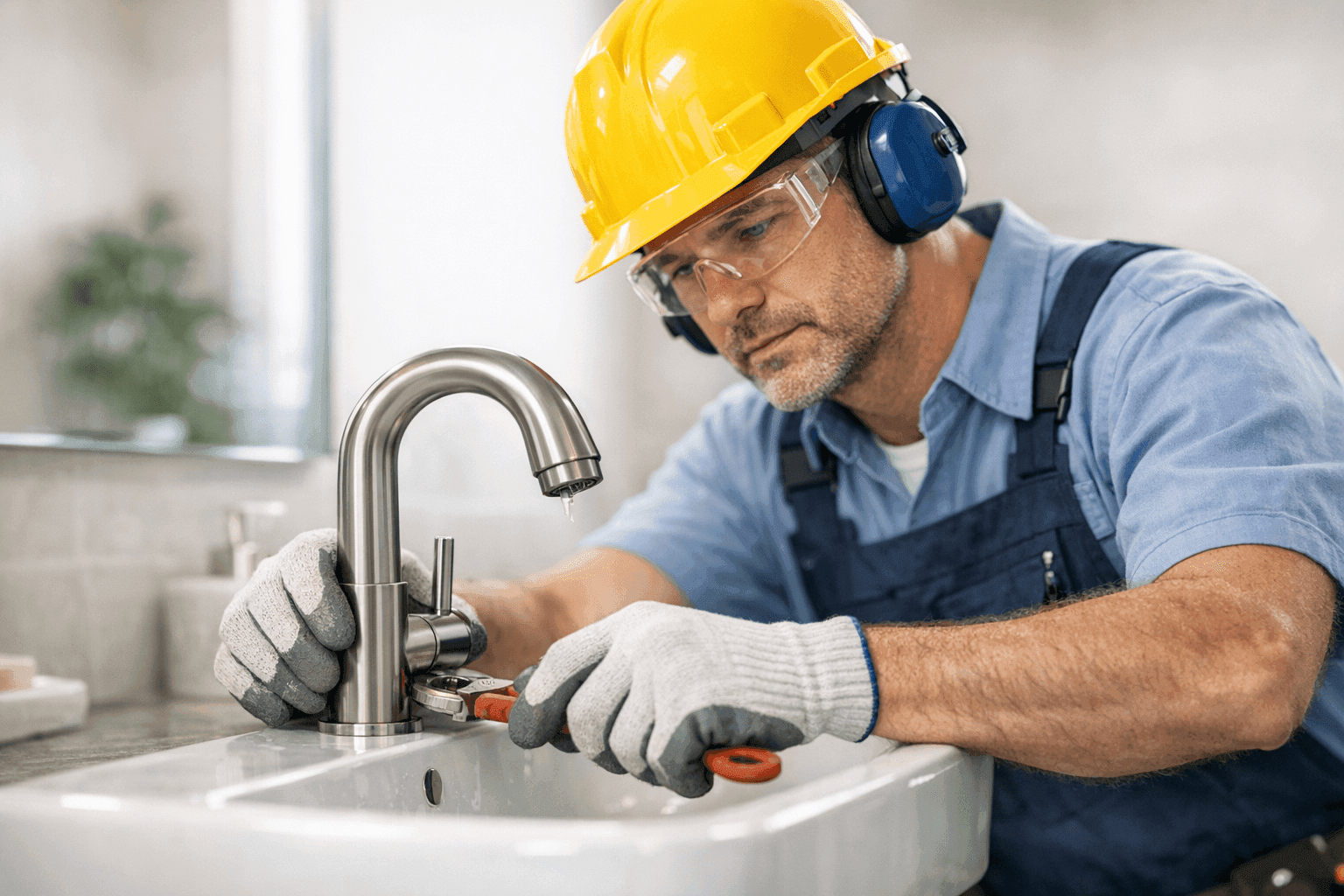
Is your bathroom or kitchen draining more than just water? Outdated plumbing fixtures can quietly sap your wallet and waste precious resources. The truth is, every drop counts—and making the switch to eco-friendly plumbing isn’t just good for the planet, it’s smart for your home.
At Peters Flo Plumbing, we’ve seen how the right choices can mean lower bills, happier families, and a lighter environmental footprint. Let’s walk through how you can make greener decisions—one tap at a time.
Why Eco-Friendly Matters 🌱
Choosing eco-friendly plumbing fixtures is like switching from a leaky bucket to a well-sealed jug. Every improvement, no matter how small, helps keep resources where they belong.
- Water conservation: According to the EPA, the average family can save 13,000 gallons of water annually by switching to WaterSense-labeled fixtures.
- Lower utility bills: Less water used means more money in your pocket.
- Reduced energy use: Efficient hot water fixtures cut down on energy, too.
- Healthier homes: Many green fixtures are made from safer, lead-free materials.
In short, eco-friendly plumbing is a win for your budget, your family, and the future.
Types of Green Fixtures
Eco-friendly doesn’t mean sacrificing comfort or performance. Today’s green plumbing fixtures work as hard as you do.
High-Efficiency Toilets
Traditional toilets can use over 6 gallons per flush. High-efficiency models? Just 1.28 gallons or less. Dual-flush options give you control—little flush for liquids, big flush for solids. Less waste, more savings.
Low-Flow Faucets and Aerators
Faucets can be water guzzlers. Modern low-flow models, and even simple aerator attachments, mix air into the water stream. You get a strong rinse with up to 30% less water.
Efficient Showerheads 🚿
The average shower uses 2.5 gallons per minute. WaterSense showerheads drop that to 2.0 gallons or lower, without sacrificing pressure. That’s like having a gentle rain instead of a thunderstorm—refreshing, but not wasteful.
Sensor and Touchless Fixtures
Hands-free faucets and toilets aren’t just for public restrooms. They’re clean, sanitary, and prevent water from running longer than needed.
Choosing the Right Products
It’s easy to get lost in a sea of labels and buzzwords. Here’s how to steer your ship:
- Look for the WaterSense label: This EPA-backed symbol means a product meets strict performance and efficiency standards.
- Read flow rates: Lower gallons per minute (GPM) or per flush (GPF) numbers are better.
- Choose quality materials: Brass, stainless steel, and lead-free options last longer and are safer for your home’s drinking water.
- Check compatibility: Not all fixtures fit all plumbing. If you have concerns, ask a pro or refer to manufacturer installation guides.
Toilets: What to Watch For
- Dual-flush vs. single-flush: Dual-flush toilets offer greater savings.
- Gravity vs. pressure-assisted: Pressure-assisted can use less water, but are louder.
Faucets: Picking the Best
- Aerated flow: Reduces splash, keeps water use low.
- Drip-free cartridges: Fewer leaks mean less waste.
Showers: Comfort Meets Conservation
- Adjustable spray: Multiple settings give you flexibility.
- Pause buttons: Great for soaping up without running water.
Installation Tips for Green Fixtures
Getting the most from eco-friendly plumbing fixtures isn’t just about the product—it’s about how you install and maintain it.
- Shut off water supply: Always the first step.
- Follow local codes: Check with your city or refer to the International Plumbing Code.
- Test for leaks: After installation, run water and check all connections.
- Consider backflow prevention: New fixtures are a great time to review Backflow Prevention to protect your water supply.
- Hire a professional: Many installations are DIY-friendly, but complex jobs (like gas line or sewer work) require a licensed plumber.
Quick Safety Checklist
- Gloves and eye protection? Check.
- Ladder steady and workspace clear?
- All tools handy—wrenches, Teflon tape, buckets.
- Water shut off at the main valve.
Safety first, always.
DIY vs. Call a Pro
Some jobs are as simple as replacing a light bulb. Others are like rewiring your whole house—best left to the experts.
DIY-friendly:
- Swapping showerheads
- Installing faucet aerators
- Changing toilet flappers
Call a pro for:
- Full fixture replacements
- Plumbing behind walls or floors
- Anything involving gas, sewer, or electrical connections
Not sure? When in doubt, call Peters Flo Plumbing for advice.
What Pros Do On Arrival
Our licensed plumbers show up with more than just a toolbox. We:
- Inspect your current fixtures for leaks or corrosion
- Measure water pressure and flow rates
- Ensure all work meets code and safety standards
- Clean up the workspace when done
We handle the details so you can enjoy peace of mind.
Prevention & Maintenance
Like changing oil in your car, regular care keeps plumbing running smoothly.
- Check for leaks monthly: Even a tiny drip adds up.
- Clean aerators and showerheads: Mineral buildup limits flow.
- Flush water heaters yearly: Improves efficiency and lifespan.
- Schedule annual inspections: Catch issues before they cost you.
Costs & Time Factors
Eco-friendly fixtures can cost a bit more upfront, but savings add up quickly.
- Toilets: $150–$400 for most efficient models
- Faucets: $50–$250 for low-flow options
- Showerheads: $25–$100 for WaterSense-certified
Installation usually takes 1–2 hours per fixture. The investment often pays for itself in just a couple of years.
When It’s an Emergency
If you notice a sudden leak or flooding—shut off the main water supply. Then, call Peters Flo Plumbing. Quick action prevents water damage and keeps your home safe.
Seasonal Considerations
Winter can mean frozen pipes. Summer brings higher water usage. Eco-friendly fixtures help in every season, but regular checks—especially before the first freeze or a big family gathering—keep everything running smooth.
Common Mistakes
- Over-tightening fittings (can crack pipes)
- Ignoring leaks (“It’s just a drip” can waste thousands of gallons)
- Choosing price over quality (cheap fixtures rarely last)
- Forgetting about backflow prevention when upgrading major fixtures
Signs of Trouble
- Rusty water or stains
- Drop in water pressure
- Constantly running toilet
- Mold or musty smells under sinks
These are warning signs—don’t wait for a bigger problem.
Timeline & Disruption
Most eco-friendly fixture swaps are quick—think a morning project, not a weeklong renovation. Still, it’s smart to plan ahead, especially if you’re upgrading multiple bathrooms or the kitchen.
Materials and Equipment
Stick to trusted brands and certified materials. For major jobs like Backflow Prevention, always use code-approved devices. Refer to the International Association of Plumbing and Mechanical Officials (IAPMO) for guidelines.
FAQs on Eco-Friendly Plumbing
Will I notice weaker water pressure?
No—modern green fixtures are designed to feel just as strong, thanks to smart engineering.
Are eco-friendly fixtures hard to maintain?
Not at all. In fact, many are built for easier cleaning and longer life.
Do I need special plumbing?
Most fixtures fit standard connections, but check specifications before buying.
Make Greener Choices for Your Home
Small steps add up. Upgrading to eco-friendly plumbing fixtures is one of the easiest ways to save water, energy, and money—while making your home safer and healthier.
Ready to start your project or have questions about plumbing upgrades? If you’re searching for a reliable plumber in Charleston, Peters Flo Plumbing is here to help with all your eco-friendly and general plumbing needs.
Call Peters Flo Plumbing now — or reach us anytime at 877-331-9687 .