How to Childproof Your Home Plumbing
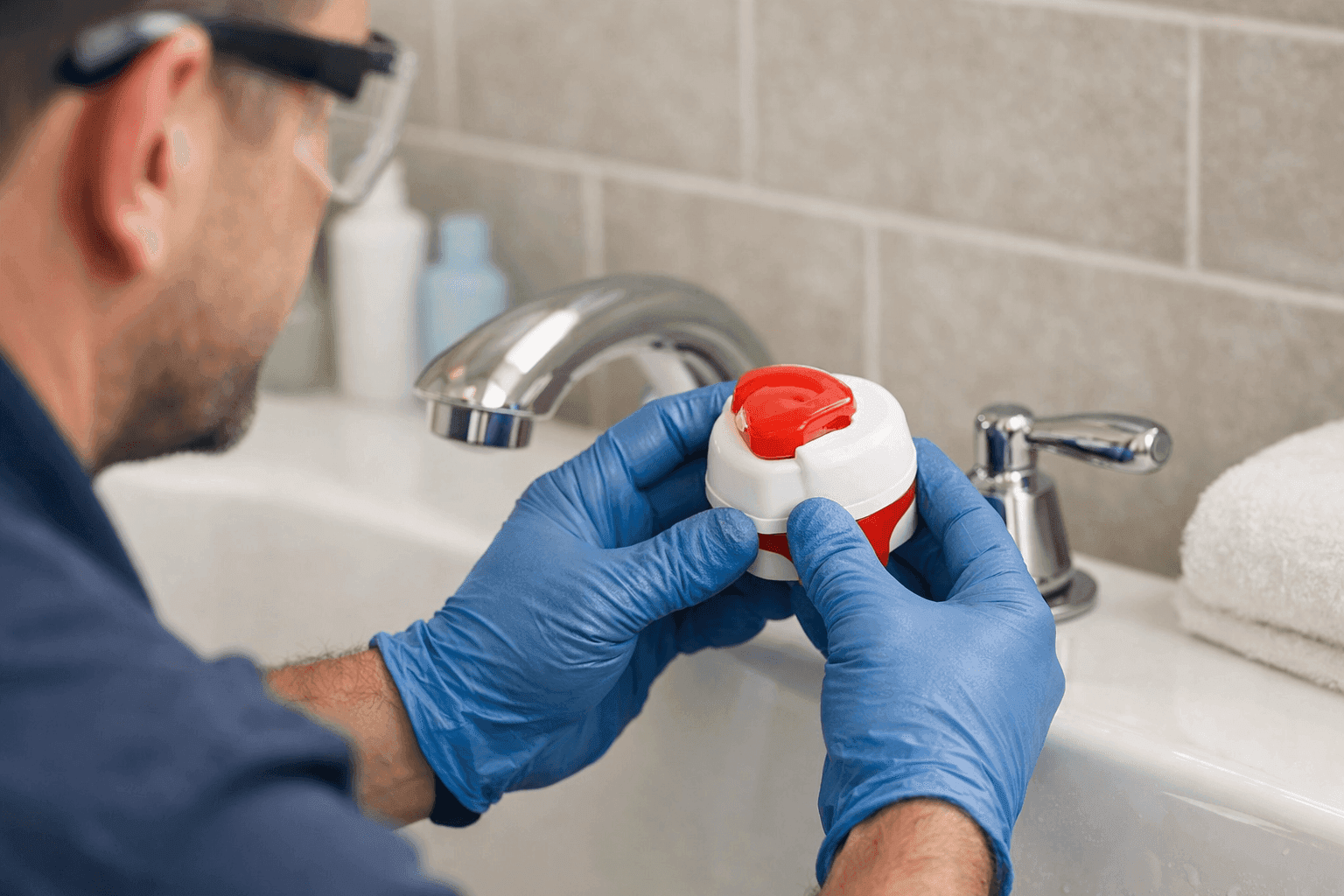
As parents, we know the little things can be the biggest risks. A curious toddler, the gleam of a shiny faucet, or the mysterious rattle of pipes behind a wall—these are everyday moments that can quickly turn dangerous. Childproofing your home’s plumbing isn’t just about peace of mind. It’s about protecting your family from burns, pinches, and unexpected emergencies.
At Peters Flo Plumbing, we’ve seen just how quickly a small oversight can lead to big trouble. That’s why we’re sharing the essential steps to make every pipe, fixture, and drain in your home safer for little explorers.
Plumbing Hazards for Kids
Children see the world as a playground, and plumbing fixtures are no exception. But with that sense of adventure comes risk.
- Burns and Scalds: Hot water from taps and showers can cause serious injuries in seconds. According to the U.S. Consumer Product Safety Commission, water at 140°F can burn skin in just five seconds.
- Pinch Points: Hinges, toilet seats, and exposed pipes can pinch tiny fingers.
- Choking Hazards: Loose faucet parts, small drain covers, and even old plumbing hardware can end up in a child’s mouth.
- Chemical Exposure: Cleaners and drain openers stored under sinks often catch curious hands. Ingestion or skin contact can be dangerous.
- Backflow Risks: Contaminated water can flow back into your home's supply during pressure changes, introducing harmful bacteria.
Knowing these risks is the first step toward keeping your home safe. 🚸
Quick Safety Checklist
Before diving in, walk through your home with this short list:
- Are hot water settings safe for children?
- Do you have anti-scald devices on faucets?
- Are toilet lids secured with child locks?
- Is cabinetry under sinks locked?
- Are exposed pipes insulated or covered?
- Are all drains fitted with secure covers?
- Do you have backflow prevention in place?
If you answered “no” to any of these, it’s time to take action.
Childproofing Steps: Room by Room
Let’s roll up our sleeves and tackle childproofing, starting where kids are most at risk.
Kitchen
- Install faucet covers to prevent burns.
- Secure cabinet locks on doors with cleaning supplies and drain openers.
- Check garbage disposals for safety switches and covers.
- Use anti-tip brackets for dishwashers and stoves.
Bathroom
- Set water heater to 120°F or lower—the sweet spot to prevent scalds.
- Install toilet lid locks to avoid pinched fingers or accidental drowning.
- Use non-slip mats around the tub and sink.
- Cover exposed pipes under sinks to prevent burns from hot water lines.
Laundry & Utility Rooms
- Lock cabinets containing detergents and bleach.
- Secure utility sinks with covers, especially if they’re deep or easily accessed by kids.
- Check for leaks that could cause slippery floors.
Safe Fixture Options
Safety upgrades aren’t just for looks—they make a real difference.
- Anti-scald valves: These temper the water temperature before it reaches the faucet.
- Pressure-balanced shower controls: Prevent sudden temperature swings if someone flushes a toilet or runs a dishwasher.
- Soft-close toilet seats: No more finger pinches or sudden bangs.
- Childproof faucet handles: Harder for little hands to turn.
- Slow-drain stoppers: Reduce the risk of toys (or small objects) getting stuck and causing overflows.
For homes with young kids, consider swapping out older fixtures for newer, safer models.
The Hidden Dangers: Pipes, Drains, and Backflow
Not all hazards are in plain sight.
- Backflow Prevention: Without proper backflow prevention, contaminated water can flow back into your clean water supply. This is especially risky if you have outdoor taps, irrigation systems, or pool connections. If you’re searching for “Backflow Prevention near you,” it’s best to consult a licensed plumber who knows the local codes and can test your system. Learn more about our Backflow Prevention services.
- Pipe Insulation: Hot water lines running under sinks or through crawl spaces can burn skin if touched. Pipe insulation sleeves are an inexpensive, easy fix.
- Drain Covers: Choose screw-on or locking covers that don’t pop off easily. These help prevent both choking accidents and toy blockages.
Routine Safety Upgrades and Checks
Childproofing isn’t a one-time job. As your family grows, so do your plumbing needs.
- Test anti-scald devices every few months.
- Inspect toilet locks and replace worn parts.
- Keep an eye out for leaks—water on the floor can lead to slips and falls.
- Schedule annual plumbing inspections to catch hazards before they become emergencies.
Refer to the International Plumbing Code (IPC) and the U.S. Consumer Product Safety Commission for current safety guidelines.
DIY vs. Call a Pro
Some childproofing steps are perfect for a Saturday afternoon. Others need the steady hand of a professional.
DIY-Friendly:
- Installing cabinet locks
- Adding faucet covers
- Changing toilet seat lids
Call a Pro For:
- Installing anti-scald valves
- Backflow testing
- Replacing outdated fixtures
- Pipe insulation in hard-to-reach areas
If you’re unsure, it’s always safer to ask. Our team at Peters Flo Plumbing is happy to walk you through your options.
What to Expect When a Plumber Arrives
When you call in a professional for plumbing childproofing, here’s what typically happens:
- Assessment: We inspect your home’s plumbing for hazards.
- Recommendations: Clear, practical upgrades tailored to your family’s needs.
- Installation: Safety devices, new fixtures, or backflow prevention solutions.
- Walkthrough: We show you how everything works and what to watch for as your children grow.
Emergency Preparedness 🚨
Even with the best precautions, accidents can happen.
- Know where your main water shutoff is—and teach older kids how to use it in a pinch.
- Post emergency numbers near every phone.
- Keep a basic plumbing tool kit (pliers, wrench, towels) handy for quick fixes until help arrives.
- Install leak detectors near high-risk areas like water heaters and washing machines.
For urgent issues—like burst pipes, overflowing toilets, or suspected gas leaks—don’t wait. Call for emergency plumbing help.
Seasonal Considerations
Each season brings unique plumbing challenges:
- Winter: Insulate pipes to prevent freezing and bursting.
- Spring: Check sump pumps and drains for blockages after heavy rain.
- Summer: Watch for backflow issues with outdoor faucets and pools.
- Fall: Clear gutters and ensure proper drainage around the foundation.
Routine seasonal checks can prevent small problems from becoming big emergencies.
Frequently Asked Questions
How hot should my water heater be set?
120°F is recommended to prevent burns but still provide enough hot water for daily needs.
Are anti-scald devices required by code?
Many local codes now require anti-scald protection, especially in new builds or remodels. Check with your local building authority or your plumber.
What if my child flushes something they shouldn’t?
Turn off the water supply to the toilet and call a plumber if you can’t retrieve the item easily.
Signs of Trouble to Watch For
- Water temperature that’s hard to control.
- Frequent clogs or slow drains.
- Loose or wobbly fixtures.
- Discolored water or strange smells.
These signs can mean bigger problems are brewing. Don’t ignore them.
Common Mistakes to Avoid
- Leaving cleaning supplies under sinks unlocked.
- Ignoring slow-draining tubs or sinks.
- Forgetting to check toilet seat hinges and locks.
- Relying only on store-bought drain covers.
A little prevention goes a long way.
Timeline & Disruption
Most childproofing steps can be done in a few hours. Larger upgrades, like installing anti-scald valves or full backflow preventers, may take half a day but rarely require major disruption to your routine.
Materials & Equipment
For DIYers, stock up on:
- Cabinet and toilet locks
- Pipe insulation sleeves
- Faucet handle covers
- Non-slip mats
- Leak detectors
For professional upgrades, expect your plumber to use code-approved fixtures, valves, and safety-tested devices.
When It’s an Emergency
If you spot water flooding, smell gas, or see sparks near plumbing fixtures, act fast. Shut off the water or gas supply and evacuate if necessary. Then call for emergency plumbing services.
Families in North Carolina who need prompt, reliable help can find residential plumbing support in Wilson here—we’re always a call away.
Final Thoughts: Prioritize Family Safety
Childproofing your home plumbing means thinking ahead, making small changes, and knowing when to call for backup. Your home should be a haven, not a hazard zone.
If you’re ready to make your home safer—or need help with Backflow Prevention near you—reach out today.
Call Peters Flo Plumbing now — or reach us anytime at 877-331-9687 .