The Benefits of Tankless Water Heaters
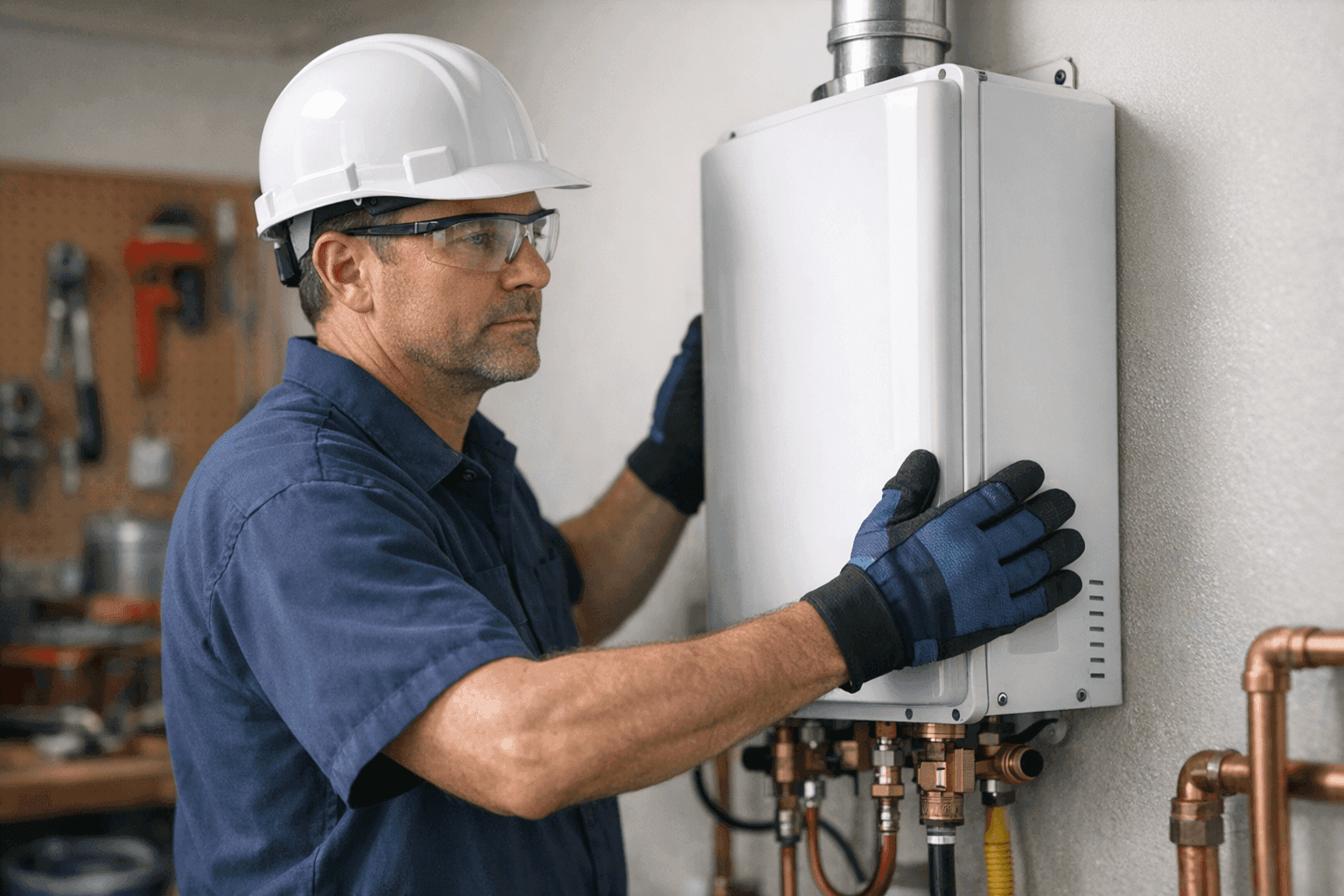
Are you tired of cold showers and bulky water tanks eating up your closet space? You’re not alone. Many homeowners are searching for a smarter, more efficient way to heat water—without the headache of running out mid-shower or worrying about energy waste.
At Peters Flo Plumbing, we know that choosing the right water heater is a big decision. With so many options, it’s easy to feel overwhelmed. Don’t worry—we’re here to help you understand if a tankless water heater fits your home, your family, and your peace of mind.
How Tankless Heaters Work 🔥
Imagine turning on your faucet and having hot water appear—almost like magic. That’s the promise of tankless water heaters. Instead of storing gallons of hot water in a giant tank, these modern units heat water only when you need it. When you turn on the tap, cold water travels through a pipe into the heater. There, either a gas burner or electric element instantly heats the water. The result? Endless hot water, on demand.
No more waiting for a tank to refill or worrying about running out during back-to-back showers. It’s like having a direct line to comfort, whenever you want it.
Key Benefits of Tankless Water Heaters
Switching to tankless isn’t just a trend. There are real, everyday advantages:
- Energy Savings: These units don’t have to keep gallons of water hot 24/7. According to the U.S. Department of Energy, homes using 41 gallons or less of hot water daily can see energy savings of 24–34% compared to traditional tanks.
- Space Savers: Tankless heaters are wall-mounted and compact. Free up that closet or basement corner for something more useful.
- Longer Lifespan: With proper maintenance, tankless models can last over 20 years—almost double the life of a standard tank.
- Cleaner Water: No tank means less risk of rust or scale build-up in your hot water supply.
- Endless Hot Water: Great for families or homes with big soaking tubs. You’ll never have to schedule showers—or worry about the last person getting a cold blast.
Comparing Tankless to Traditional Water Heaters
Think of a traditional tank as the “old school” way—like a thermos that keeps water hot, but runs out and needs time to reheat. Tankless is more like a coffee machine that brews a fresh cup the second you want it.
- Traditional Tanks:
- Store 30-50 gallons
- Heat water constantly, even when you’re asleep
- Risk of leaks or flooding if the tank fails
- Take up a lot of floor space
- Tankless Units:
- Heat only what you use
- No bulky tank, less risk of catastrophic leaks
- Smaller, mount on the wall
- Cost more upfront, but can save money over time
Installation Considerations
Upgrading to tankless isn’t always as simple as swapping out one box for another. Here’s what to expect:
- Gas vs. Electric: Gas models heat faster and may suit larger households, but need proper venting and gas lines. Electric units are smaller and easier to install but may require upgrades to your electrical system.
- Location Matters: A tankless heater can be installed almost anywhere—closet, garage, even outside (with proper weather protection). But accessibility and plumbing layout will impact where it goes.
- Water Quality: Hard water can reduce efficiency. Consider pairing with a water filtration system to protect your investment. For more on protecting your plumbing, see our Backflow Prevention.
- Building Codes: Always check local plumbing codes and safety standards—your installer should pull permits and follow guidelines from organizations like the International Association of Plumbing and Mechanical Officials (IAPMO).
Energy Savings and Environmental Impact
Tankless heaters are like the hybrid cars of the plumbing world. Because they only run when you need hot water, they use less energy. Over a year, this can mean lower utility bills and a smaller carbon footprint.
If you’re looking to make your home more eco-friendly, tankless is a strong choice. Not just for today, but for years to come.
Space and Design Flexibility
In many homes, traditional water heaters hog precious real estate. Tankless units, by contrast, are barely larger than a suitcase. Mount one high on a wall, tuck it in a utility closet, or install it outside to reclaim floor space.
This flexibility comes in handy if you’re remodeling, finishing a basement, or simply want to declutter.
Lifespan and Maintenance
A well-maintained tankless water heater can run efficiently for 20 years or more. Regular maintenance matters—flush the system annually to remove mineral build-up and check for leaks. Many manufacturers also recommend periodic inspections, just like you’d schedule a dental checkup.
Not sure if your plumbing is up to par? Our Leak Detection services can help you spot issues early.
Limitations to Consider
No system is perfect. Here’s what to think about before going tankless:
- Upfront Cost: Tankless units typically cost more to buy and install than traditional tanks. But remember, you may recoup some of that in energy savings.
- Flow Limits: If multiple showers, laundry, and the dishwasher all run at once, a single unit might struggle to keep up. Large homes may need more than one unit.
- Annual Maintenance: Skip the upkeep, and mineral build-up may cause problems. Regular flushing is key.
- Retrofit Complexity: Not all homes are “plug and play” ready for tankless. Upgrades to gas lines, venting, or wiring may be needed.
Timeline & Disruption During Installation
Expect a bit of downtime. Installing a tankless water heater usually takes one day, but complex set-ups can take longer. Plumbers will:
- Turn off water and power/gas
- Remove the old tank
- Prep the space, upgrade lines if needed
- Mount and connect the tankless unit
- Test for leaks and proper function
Plan for a day without hot water—and maybe clear a path for the installers.
DIY vs. Professional Installation
This isn’t a “weekend warrior” project. Tankless installation involves gas or high-voltage electrical work, venting, and code compliance. Mistakes can be costly—or even dangerous. Always call a licensed plumbing professional.
What to Expect When Pros Arrive
Our team at Peters Flo Plumbing will:
- Assess your home’s layout and hot water needs
- Recommend the right size and type of unit
- Handle all permits and code requirements
- Complete a safe, clean installation
- Explain maintenance and answer your questions
We pride ourselves on leaving your home better than we found it.
Preventative Maintenance and Care
Want your tankless heater to run smoothly for years? A little care goes a long way:
- Flush the system annually (or more often in hard water areas)
- Check for error codes or warning lights
- Inspect venting and connections for leaks
- Schedule professional inspections—especially if you notice changes in water temperature or pressure
Seasonal Considerations
Cold winters? Tankless heaters work well year-round, but freezing temperatures can be a risk if installed outside. Insulate pipes and consider freeze protection kits if your unit is exposed.
Signs of Trouble
Keep an eye out for:
- Fluctuating water temperature
- Drop in water pressure
- Error codes on the display
- Strange noises from the unit
Address issues early to avoid bigger repairs down the road.
Common Mistakes to Avoid
- Skipping maintenance
- Choosing the wrong size for your household
- Attempting DIY installation without proper training
- Ignoring local building codes
- Forgetting to factor in long-term savings vs. upfront cost
Is Tankless Right for You? 🤔
Tankless water heaters aren’t for everyone. They shine in homes looking for energy efficiency, space savings, and long-term value. But the upfront investment and installation requirements mean they’re best for homeowners planning to stay put for a while.
Still not sure? Whether you’re upgrading, building new, or just exploring options, Peters Flo Plumbing is here to help you weigh the pros and cons with no pressure.
If you're searching for reliable plumbing solutions in Enid, OK, our experienced team is just a call away.
Call Peters Flo Plumbing now — or reach us anytime at 877-331-9687 .