Bathroom Plumbing Problems: DIY Fixes and When to Call a Plumber
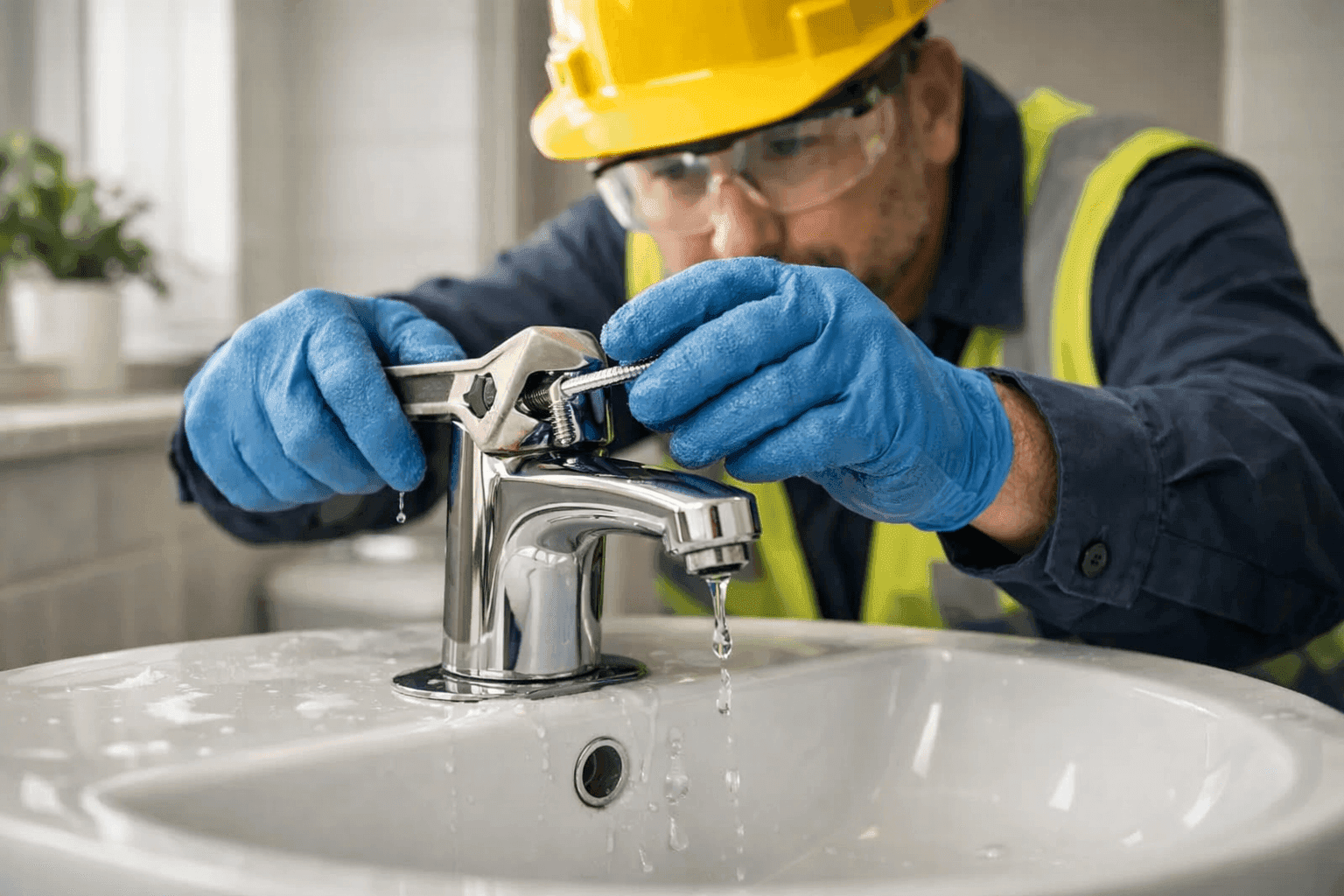
Does your bathroom sound like a leaky faucet late at night? Or maybe your toilet seems to have a mind of its own, bubbling and gurgling when you least expect it. Plumbing problems don’t wait for a convenient moment—they strike when you’re getting ready for work, hosting guests, or winding down after a long day.
At Peters Flo Plumbing, we know how stressful it is to face a sudden flood or mysterious drip. You want fixes that are safe, fast, and last. Here’s what you can do at home—and when it’s time to call for backup.
Common Bathroom Plumbing Issues 🚿
Every home faces bathroom plumbing headaches eventually. Here’s what shows up most often:
- Leaky faucets—that persistent drip wastes water and money.
- Clogged toilets—sometimes a plunger can’t win the fight.
- Running toilets—constant water noise and higher bills.
- Slow-draining sinks or tubs—water pooling around your toes.
- Low water pressure—showers that feel more like a drizzle.
- Leaky pipes under sinks—often hiding until they cause real damage.
- Faulty or loose fixtures—handles, taps, and showerheads that wobble.
These problems can seem small at first. But left untreated, they spiral into costly repairs or water damage.
Quick Safety Checklist Before You Start
Not every problem needs a toolbox. But before you dive into any bathroom fix:
- Turn off the water supply to the affected area.
- Keep towels or a bucket handy for drips.
- Never mix cleaning chemicals—some combinations release dangerous gases.
- Avoid using sharp objects to clear drains (they can damage pipes).
- If you smell gas or suspect a leak near a gas water heater, leave immediately and call for professional help.
For more on safety, the International Association of Plumbing and Mechanical Officials (IAPMO) offers solid guidelines for homeowners.
DIY Quick Fixes for Common Problems
Many bathroom plumbing issues have simple solutions. Here’s what you can try:
Leaky Faucets
- Tighten the handle gently.
- Replace worn-out washers or O-rings.
- Use plumber’s tape if threads are exposed.
Clogged Toilets
- Use a plunger with a tight seal.
- If that fails, try a toilet auger (snake).
- Still stuck? Don’t use chemical drain cleaners—they can corrode pipes.
See more details on our Unclogging Toilets service page.
Slow Drains
- Remove visible hair or debris from the stopper.
- Pour a mix of baking soda and vinegar down the drain, wait 15 minutes, then flush with hot water.
Running Toilets
- Open the tank and check the flapper; replace if it’s worn.
- Adjust the float for correct water level.
Loose Showerheads or Handles
- Unscrew, apply plumber’s tape, and reattach firmly.
These quick fixes can tide you over. But remember, even the best DIY efforts have limits.
When to Call a Plumber (and Why It Matters) 🛑
Some issues are like icebergs—what you see is only a small part of the problem. Call a licensed plumber if:
- Water is leaking from the ceiling or walls—could mean a burst pipe.
- You see mold or musty odors—a hidden leak is likely.
- Sewage smells, slow drains in multiple fixtures, or water backing up—signals a main sewer line problem.
- Water pressure drops everywhere—may be a larger supply issue or even a sign of a backflow risk.
- DIY fixes don’t hold or the problem keeps coming back.
Plumbers have specialized tools and training for leak detection, pipe repair, and fixture installation that go beyond what’s in the average toolbox.
What Happens When a Pro Arrives
- Full inspection of pipes, fixtures, and connections.
- Use of leak detection equipment, cameras for sewer lines, and moisture sensors.
- Repair or replacement using code-approved materials.
- Advice on preventing future issues.
Peters Flo Plumbing always follows local codes and manufacturer specifications, so every fix is safe and built to last.
What Counts as a Plumbing Emergency?
Not sure if you need help right now? Emergencies include:
- Burst pipes or severe leaks.
- Overflowing toilets you can’t stop.
- No water at all in your home.
- Sewage backups or strong sewage odors.
- Water heater leaks (especially near electrical outlets or gas lines).
In these situations, turn off your main water supply and call right away.
Real-World Costs and Time Factors
- Small repairs (like replacing a washer or unclogging a drain) can take under an hour if you’ve got the parts.
- Bigger problems—leaks inside walls, major fixture replacements, or repiping—can take several hours to a day or more.
- Keep in mind: waiting often increases both time and cost.
Avoiding Common Mistakes
- Overtightening fittings can crack pipes.
- Using the wrong tool can make things worse.
- Ignoring persistent leaks or clogs risks water damage and mold.
When in doubt, get advice. There’s no shame in asking for help before a small problem becomes a disaster.
Preventing Future Problems 🛠️
Good bathroom plumbing is like keeping your car tuned up. Small regular habits prevent big breakdowns:
- Check under sinks and behind toilets for leaks monthly.
- Don’t flush wipes, floss, or feminine products (even if labeled “flushable”).
- Clean hair from drains weekly.
- Test shutoff valves every few months to make sure they turn easily.
- Have a pro perform annual inspections—this can catch issues before they escalate.
If you want to keep your plumbing in top shape, browse our Bathroom Plumbing page for more detailed maintenance tips.
FAQ: Bathroom Plumbing Edition
Can I use chemical drain cleaners?
We don’t recommend them. They can damage pipes and harm the environment.
Why is my water bill suddenly higher?
Leaks—even small ones—can waste hundreds of gallons a month.
Is it normal for pipes to make noise?
Some sounds are harmless, but banging (water hammer) or gurgling can mean trapped air or a blockage.
How do I find my main shutoff valve?
Usually near where the main water line enters your home—often in a basement, crawlspace, or utility room.
Seasonal Plumbing Considerations
- In winter, insulate exposed pipes to prevent freezing.
- During rainy seasons, check sump pumps and floor drains.
- Summer and holidays bring higher water use—inspect fixtures before guests arrive.
Signs of Bigger Trouble
- Water stains on ceilings or walls.
- Persistent dampness around fixtures.
- Mold growth or unexplained odors.
- Rusty water or stains around drains.
These are red flags—don’t wait.
Materials and Equipment for DIY
Keep these on hand for minor bathroom jobs:
- Plunger (with a flange for toilets)
- Adjustable wrench
- Plumber’s tape
- Bucket, rags, gloves
- Flashlight
For anything beyond this list, or if you’re unsure, let a pro handle it.
How Much Disruption Should You Expect?
- Small fixes: minimal mess, often no need to move furniture.
- Major repairs: may require moving vanities, toilets, or cutting into drywall.
- Good plumbers clean up after themselves and explain what they’re doing.
When DIY Isn’t Enough: Choosing a Plumber
- Look for licensed professionals who follow plumbing codes and use proper materials.
- Ask about their process—detailed inspections are a sign of thoroughness.
- Choose someone who explains your options clearly and answers your questions.
If you’re searching for reliable Backflow Prevention near you, our team is always ready to help with safe, code-compliant solutions.
Final Thoughts: Small Fixes, Big Peace of Mind
Bathroom plumbing problems don’t have to take over your life. Some fixes are as simple as tightening a bolt or clearing a drain. But for bigger leaks, persistent clogs, or anything you’re not comfortable tackling, it’s smart—and safe—to call a professional.
Call Peters Flo Plumbing now — or reach us anytime at 877-331-9687 .