How to Avoid Plumbing Scams: What to Watch For
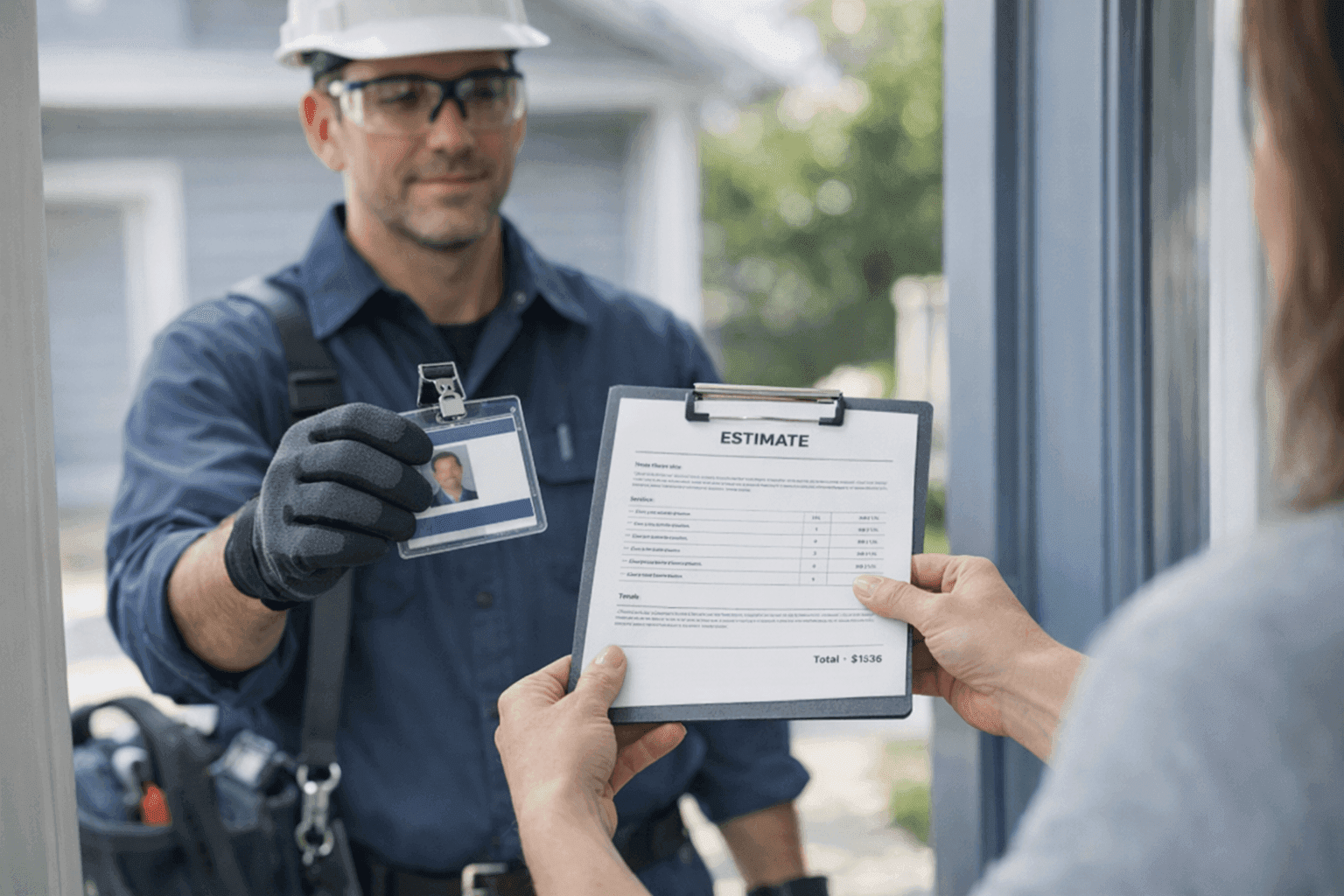
Are you worried about getting tricked by a plumber? You’re not alone. Plumbing problems pop up fast and can be stressful. When your faucet won’t stop leaking or your toilet won’t flush, it’s tempting to call the first number you find. But sometimes, quick fixes lead to big headaches—and big bills—if you fall victim to a plumbing scam.
At Peters Flo Plumbing, we believe that protecting your home starts with the right information. Here’s what you need to know to spot plumbing scams, avoid rip-offs, and hire with confidence.
Common Plumbing Scams and How They Work 🚨
Scammers are clever. They prey on panic and rush jobs. These are the most common plumbing scams you’ll see:
- Bait-and-Switch: A plumber gives you a low price over the phone. When they arrive, the “real problem” is suddenly much worse, and so is the bill.
- Upcharging: You’re told you need expensive parts or extra work that’s not really necessary. The price keeps climbing for things you never agreed to.
- Fake Emergencies: Some scammers invent a crisis—like a gas leak or “imminent” backflow risk—to scare you into urgent, overpriced repairs.
These scams cost more than money. They put your safety and your home at risk.
Warning Signs: How to Spot a Plumbing Scam
You don’t need a sixth sense to see trouble coming. Watch for:
- No written estimate before work begins.
- Refusal to show credentials or insurance.
- Demanding full payment upfront.
- High-pressure sales tactics (“This deal is only good for today!”).
- Unmarked vans or lack of branded uniforms.
- Vague explanations with lots of technical talk but little clarity.
If it feels off, trust your gut.
What to Ask Before You Hire
Before you let anyone near your pipes, get answers to these questions:
- Are you licensed and insured in this state?
- Can you provide a written estimate?
- Do you have references from recent residential customers?
- What’s included in this price? Are there possible extra charges?
- Will you handle permits if they’re needed?
A trustworthy plumber will answer clearly and patiently.
How to Vet Contractors Like a Pro
Finding a reliable plumber isn’t luck—it’s a process. Here’s how to do it:
- Check Licenses: Each state has its own board. In Georgia, for example, the State Construction Industry Licensing Board lists all licensed plumbers.
- Look Up Reviews: Search for recent reviews on trusted platforms. Look for patterns, not just one-off complaints.
- Ask About Experience: For services like Backflow Prevention, experience and up-to-date knowledge of code matter.
- Review Insurance: Confirm active liability and workers’ compensation insurance.
- Request References: Speak to other homeowners who’ve used their services.
Red Flags That Should Send You Running 🚩
Some warning signs mean it’s time to walk away—fast.
- The contractor can’t give you a business address.
- They’re not willing to show ID or a license.
- There’s pressure to sign a contract on the spot.
- The price changes dramatically once work begins.
- You’re asked to pay in cash only—or via an odd payment app.
If you spot any of these, say thanks, but no thanks.
Bait-and-Switch: The Oldest Trick in the Book
Say you call for a simple toilet repair. The plumber arrives, pokes around, and suddenly you “need” a whole new pipe system. Sound familiar? That’s bait-and-switch. Don’t sign anything or agree to extra work until you’ve seen the damage yourself. Take photos. Ask for a detailed breakdown.
Upcharging: When the Bill Gets Bloated
Sometimes, you’re quoted one price but end up paying double. Common excuses include “unexpected” parts or “urgent” upgrades. Always insist on an itemized invoice. If something seems odd, hit pause and get a second opinion.
Fake Emergencies: Scare Tactics That Cost You
Beware the plumber who claims your home is seconds from disaster. Real emergencies are rare. If someone says you need a full sewer line inspection or claims your water is dangerous without proof, ask for documentation and check local code requirements (like the Uniform Plumbing Code).
Quick Safety Checklist for Homeowners
Protect yourself every time a plumber visits:
- Confirm ID and licensing.
- Get all estimates in writing.
- Don’t pay cash upfront.
- Keep records of all communication.
- Never sign blank or vague contracts.
DIY vs. Call a Pro: When to Handle It Yourself
Clogged sink? Try a plunger or drain snake. But for anything that involves gas lines, backflow prevention, or major leaks, call a licensed plumber. Unqualified repairs can make things worse—and may even violate building codes.
What Real Pros Do on Arrival
A reputable plumber will:
- Arrive on time, in uniform or marked vehicle.
- Politely explain what they’re checking.
- Provide a clear written estimate before starting work.
- Respect your home (shoe covers, tidy workspaces).
- Answer questions without rushing or deflecting.
Prevention & Maintenance: Your Best Defense
Many plumbing “emergencies” can be avoided with regular check-ups. Schedule preventative maintenance, like annual backflow testing or leak detection. Review your home’s plumbing every season. Prevent issues before they become urgent (and expensive).
Costs & Time Factors: What to Expect
Upfront, honest plumbers explain both cost and timing. For example, backflow prevention takes just a few hours and shouldn’t involve surprise fees. If you’re quoted a price that seems too good to be true, it probably is. Always ask for a breakdown.
When It’s a Real Emergency
Burst pipes, gas leaks, or sewage backup need attention now. Still, take 2 minutes to check the plumber’s ID and license before letting anyone inside. Even in a rush, you can stay safe.
FAQ: Answers to Common Questions
Q: Can I check a plumber’s license myself?
A: Yes. Search your state’s licensing board.
Q: Should I ever pay cash?
A: It’s safer to pay with card or check, which leaves a paper trail.
Q: Do plumbers need a permit for major work?
A: For major jobs—like repiping or sewer line installation—most cities require permits. Ask to see the paperwork.
Seasonal Considerations
Scams spike during storms, freezes, and after disasters. Scammers know homeowners are desperate. If your area is hit by bad weather, expect more door-knockers and flyers. Be extra cautious and take your time to check credentials.
Common Mistakes Homeowners Make
- Hiring based only on the lowest price.
- Not checking credentials.
- Skipping written contracts.
- Ignoring their gut feeling.
Don’t rush. A few minutes of research can save you thousands.
Signs of Trouble: When to Take Action
If your plumber:
- Refuses to answer questions,
- Changes the price without explanation,
- Or makes you feel uncomfortable,
It’s time to stop the job and get advice. You can always contact your state consumer protection office for help.
Timeline & Disruption: What’s Normal
Most residential plumbing fixes—like leak repair or fixture installation—take a few hours. Major jobs (repiping, sewer line repair) may take a few days, but your plumber should tell you upfront. If the timeline keeps stretching with no clear reason, ask for details in writing.
Materials and Equipment
A professional plumber will use approved, code-compliant materials and explain their choices. If you’re told “you can’t get that part anywhere else,” ask for the brand and model so you can double-check. Don’t accept mystery materials or secondhand parts unless you’ve agreed in advance.
Protecting Your Home (and Your Wallet)
The bottom line: You should always feel in control when hiring a plumber. Knowledge is your best tool. If you’re looking for a reputable, licensed plumber for backflow prevention or any other service, choose a team that puts your safety and satisfaction first.
For reliable residential plumbing—including Backflow Prevention and more—see why so many homeowners choose us for everything from leak repair to fixture installation.
If you’re searching for dependable plumbing in Alpharetta, check out our specialized plumbing services in Alpharetta and discover how easy it can be to work with a team you trust.
Call Peters Flo Plumbing now — or reach us anytime at 877-331-9687 .