How to Avoid Plumbing Problems When Buying a Home
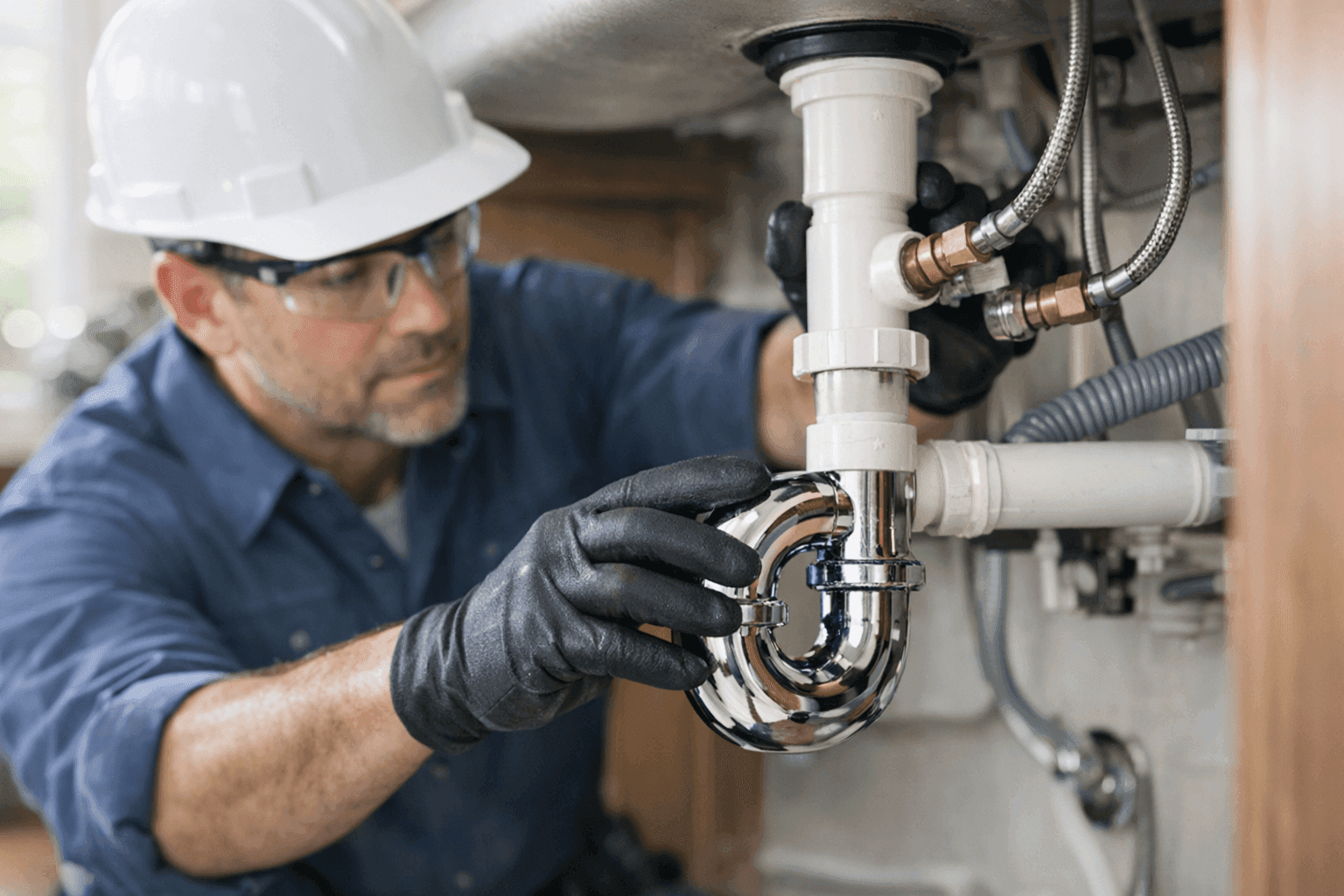
Buying a home is a big deal—maybe the biggest. It’s exciting, stressful, and full of unknowns. One thing you don’t want is a plumbing disaster lurking behind those freshly painted walls. At Peters Flo Plumbing, we’ve seen what happens to new homeowners who skip a thorough plumbing check. Sometimes, it’s just a slow drip. Other times, it’s a tidal wave of repairs.
Let’s break down what you need to know before you sign on the dotted line. Because a dream home shouldn’t come with a nightmare in the pipes.
Why Plumbing Inspections Matter 🛠️
Imagine moving in, unpacking boxes—and discovering water on the basement floor. Or a shower that never gets warm. Plumbing issues can be sneaky and expensive, and they’re often invisible during a quick walk-through.
Professional plumbing inspections catch problems before they catch you. They’re not just for peace of mind. They can save you thousands in unexpected repairs, from hidden leaks to cracked sewer lines. According to the International Association of Certified Home Inspectors (InterNACHI), plumbing is among the top five systems to check before buying.
Bottom line: A plumbing inspection isn’t a luxury. It’s basic homebuyer self-defense.
Red Flags to Watch
You don’t have to be a plumber to spot the early warning signs. Look for:
- Stains or bubbling paint on ceilings and walls
- Low water pressure in sinks and showers
- Drains that gurgle, bubble, or back up
- Rusty, corroded, or mismatched pipes under sinks
- Toilets that wobble or run constantly
- Unpleasant odors near drains or the yard (could be a sign you need Sewer Line Inspection)
If you spot any of these, dig deeper. Small clues often mean bigger problems underground.
What an Inspection Covers
A real plumbing inspection covers much more than a quick peek under the kitchen sink. Here’s what you should expect:
- Visual check of all exposed pipes for leaks, corrosion, and damage
- Water heater age, safety, and performance
- Water pressure tests at multiple fixtures
- Inspection of toilets, showers, tubs, and sinks for leaks or slow drainage
- Main sewer line assessment—often using a camera, especially for older homes
- Evaluation of supply lines and shut-off valves
- Signs of water damage or mold around fixtures and in basements
Don’t forget specialty checks for gas lines, sump pumps, and backflow prevention near you if the property has these systems.
Focus on the Age of the Plumbing System
Older homes can be beautiful, but their pipes might be telling a different story. Galvanized steel pipes (common before 1960) are prone to rust and blockages. Even copper has a lifespan, especially if the water is acidic.
Ask about the age of the main water and sewer lines. Pipes more than 50 years old may need replacement soon. That’s not a small job. It’s a major investment—one you want to know about before you commit.
Leaks: The Silent Home Wrecker
A tiny drip can turn into a flood over time. Unchecked leaks ruin cabinets, floors, and even the foundation. They also promote mold growth, which is bad news for your health.
During your walkthrough, check:
- Under all sinks and around toilets
- Basement corners and crawlspaces
- Behind appliances like washing machines and dishwashers
If you’re not sure, professional leak detection can sniff out hidden problems with tools and experience no DIY kit can match.
Sewer Line Woes: The Costliest Surprise
Nothing ruins a new home like a sewer backup. Tree roots, cracked pipes, or years of buildup can clog the main line. The result? Water backing up into tubs, toilets, or worse.
A camera inspection of the main sewer line is the gold standard, especially if the home is older or has big trees out front. Don’t skip this step. Repairing a sewer line can cost as much as a used car.
Questions to Ask Before You Buy
Don’t be shy. The right questions can save you money and headaches:
- How old are the pipes, water heater, and sewer line?
- Has the home ever had a plumbing leak or backup?
- What material are the pipes (copper, PVC, galvanized steel, etc.)?
- When was the last time the sewer line was inspected or cleaned?
- Are there any warranties or service records for major plumbing work?
If the seller can’t answer, ask to see inspection reports or receipts.
When to Walk Away
Sometimes, the plumbing problems are more than you bargained for. Walk away if:
- The home needs a full repipe and it’s not priced accordingly
- The sewer line is collapsed or sagging (“bellying”)
- There’s major water damage or recurring mold
- Gas lines are outdated or not up to code
There are other homes out there. Don’t let a dream home become a money pit.
DIY Checks vs. Calling a Pro
You can spot obvious problems, but some issues require a trained eye. Pros use tools like moisture meters, thermal cameras, and sewer cameras. They see what you can’t.
A professional inspection is a small price to pay compared to a surprise $10,000 repair bill.
Quick Safety Checklist for Homebuyers
- Turn on all faucets: Check pressure and drainage.
- Flush every toilet: Listen for gurgles or slow filling.
- Run appliances: Make sure dishwashers and washing machines drain properly.
- Inspect the basement: Look for water stains or musty smells.
- Check the water heater: Any rust, leaks, or odd noises?
If anything feels off, get it checked right away.
What Pros Do On Arrival
When Peters Flo Plumbing arrives for a homebuyer plumbing inspection, here’s what we tackle:
- Full walk-through of all plumbing fixtures
- Pressure testing of supply lines
- Camera inspection of the main sewer line (critical for older homes)
- Check for hidden leaks and water damage
- Review of water heater safety (including temperature and relief valve)
We’ll explain what we see in plain language—no jargon, just clear advice.
Prevention & Maintenance—Before You Move In
If the inspection finds minor issues, don’t panic. Get repairs done before you move in. It’s easier to fix leaks, upgrade fixtures, or clear drains in an empty house.
Also, schedule regular maintenance. A yearly checkup can extend the life of your system and help you avoid emergencies.
Costs & Time Factors
A basic plumbing inspection usually takes 1–2 hours, depending on the size and age of the home. If camera work is needed for the sewer line, allow more time.
Costs vary. But think of it like insurance—a small investment for peace of mind and a smoother closing.
When It’s an Emergency
Some issues can’t wait. If you find active leaks, a burst pipe, or sewage backing up, call for emergency plumbing right away. Don’t risk your safety or further damage.
Common Mistakes Homebuyers Make
- Relying only on a general home inspector (they often miss hidden plumbing issues)
- Ignoring slow drains or small leaks
- Skipping the sewer line inspection—especially crucial for older homes
- Not budgeting for replacement if pipes are aging out
A little extra diligence now saves a lot of stress (and cash) later.
Timeline & Disruption
Worried about delays? Most plumbing inspections can be scheduled quickly and won’t interfere with the rest of your home buying process. Repairs, if needed, may take longer—especially if walls or landscaping must be disturbed for pipe work.
Materials & Equipment: What Matters
Ask what materials were used in pipes and fixtures. Some older materials, like lead or polybutylene, are no longer recommended. Modern copper, PEX, and PVC are safer and longer-lasting.
Always confirm that water heaters, boilers, and other major appliances meet current safety codes. The National Plumbing Code and local rules are your friends here.
Seasonal Considerations
Winter brings frozen pipes. Summer brings tree root invasions. Ask about seasonal challenges in your area, and plan inspections accordingly.
Signs of Trouble: What Not to Ignore
- Repeated clogs in the same drain
- Water stains on ceilings below bathrooms or kitchens
- Smells of gas or sewage (major safety red flag)
- Discolored water from any tap
Don’t assume these are minor. They often point to bigger issues.
For More Homebuyer Plumbing Tips
If you’re searching for residential plumbing guidance or need a reliable plumber for home inspections, check out our Wheaton plumbing services for trusted advice and scheduling.
Buying a home should be a joy, not a gamble. With the right plumbing inspection, you’ll know exactly what you’re getting—and what you’re not. Have questions or want to book an inspection before you buy?
Call Peters Flo Plumbing now — or reach us anytime at 877-331-9687 .